
Click image to enlarge
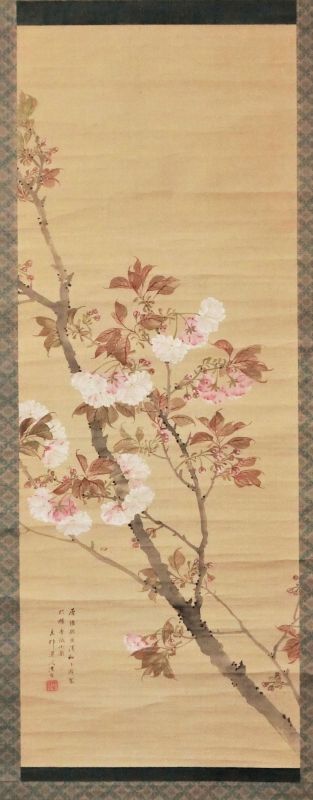
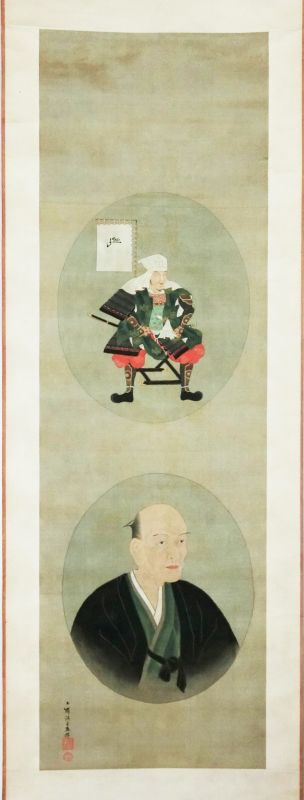
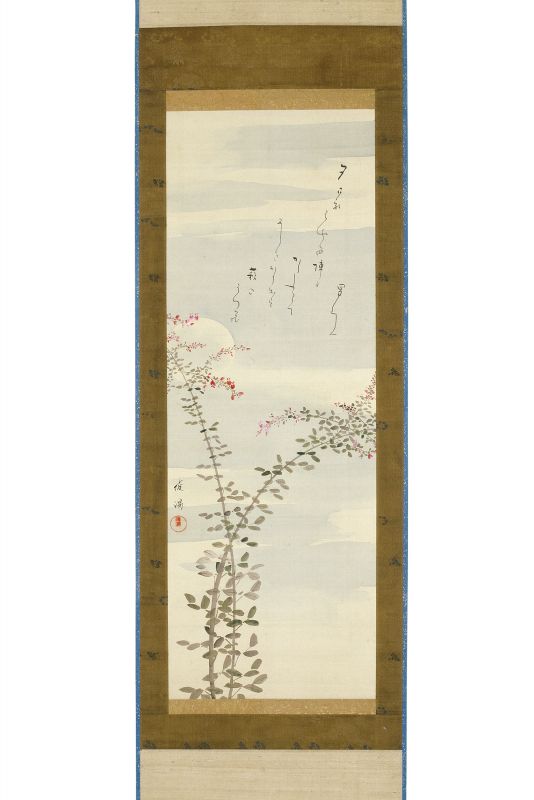
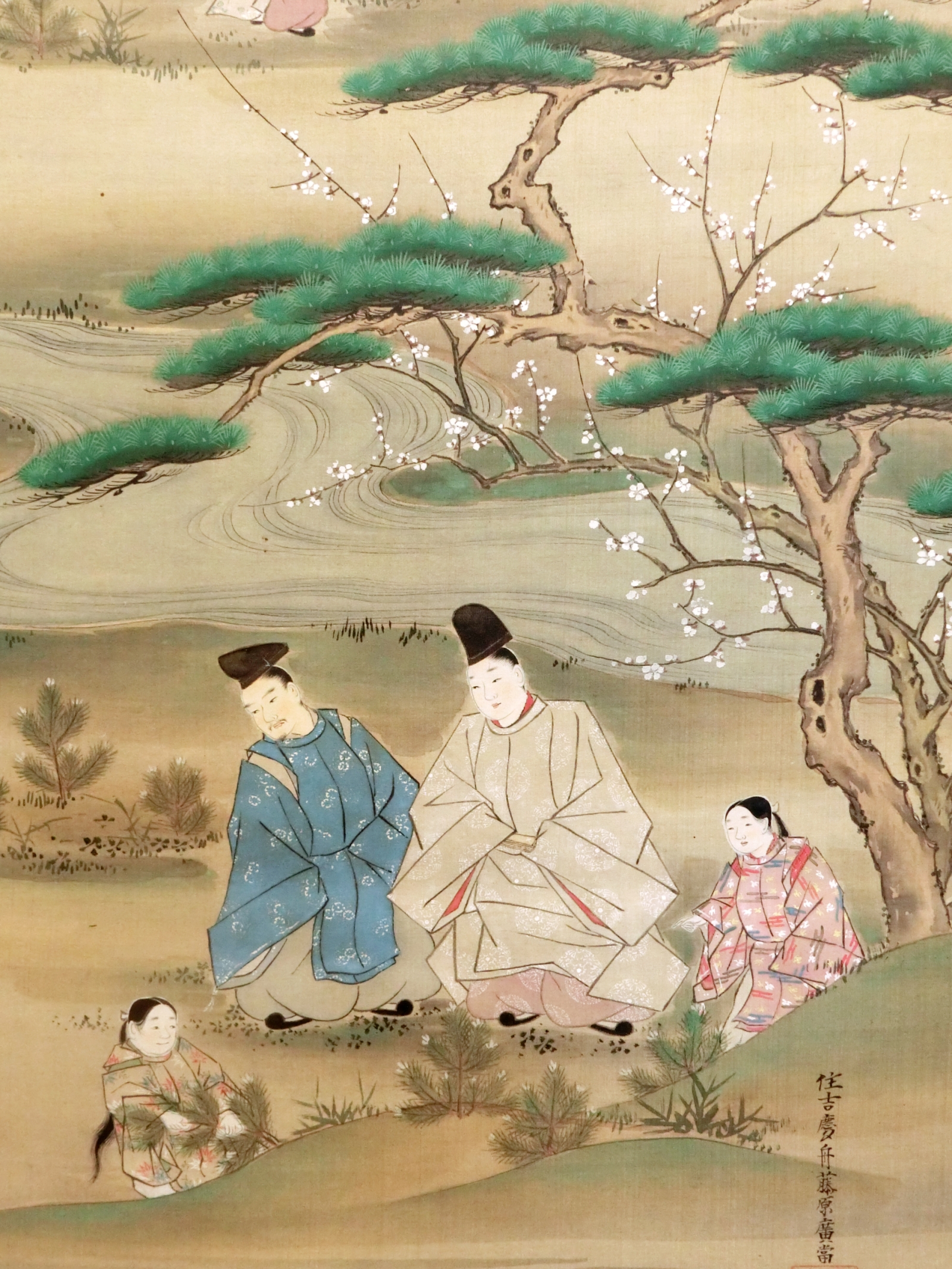
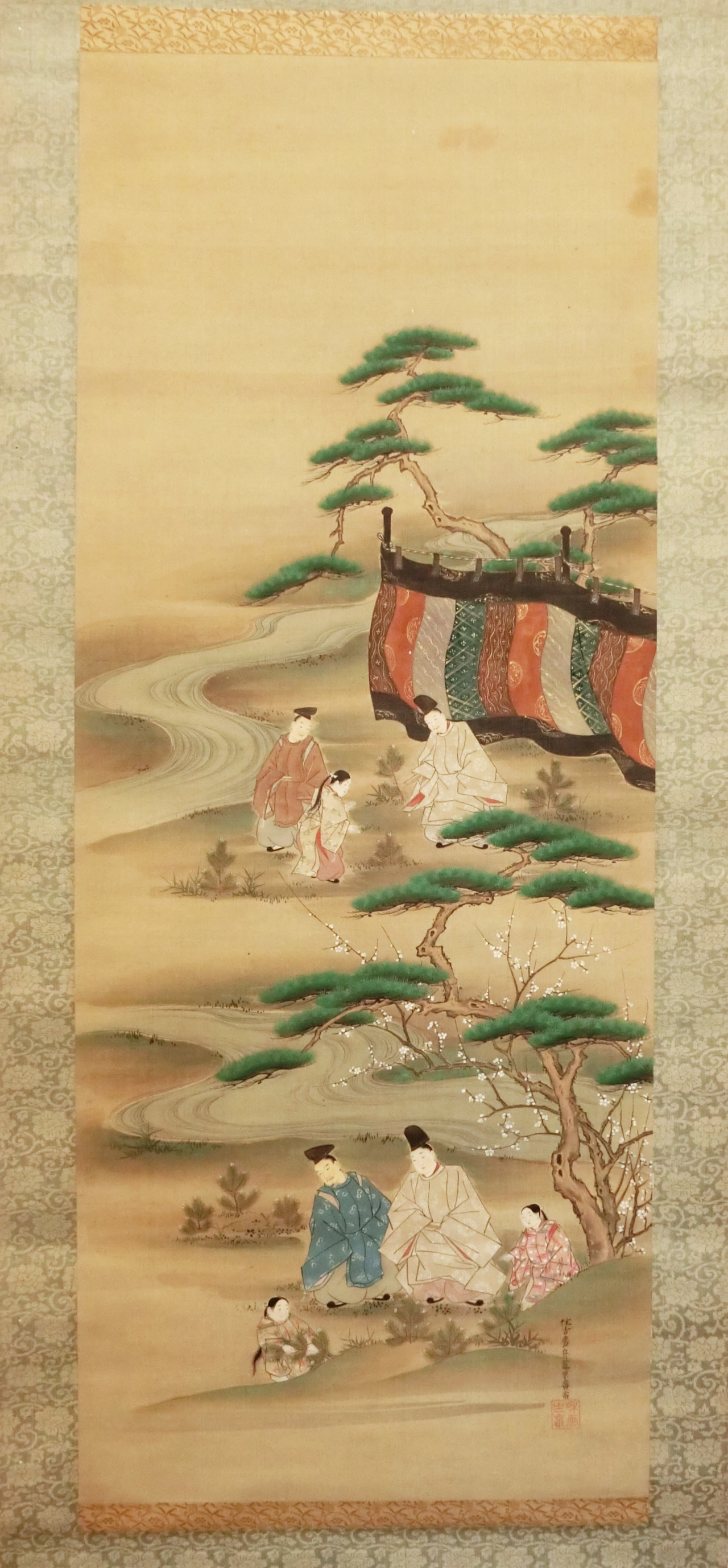
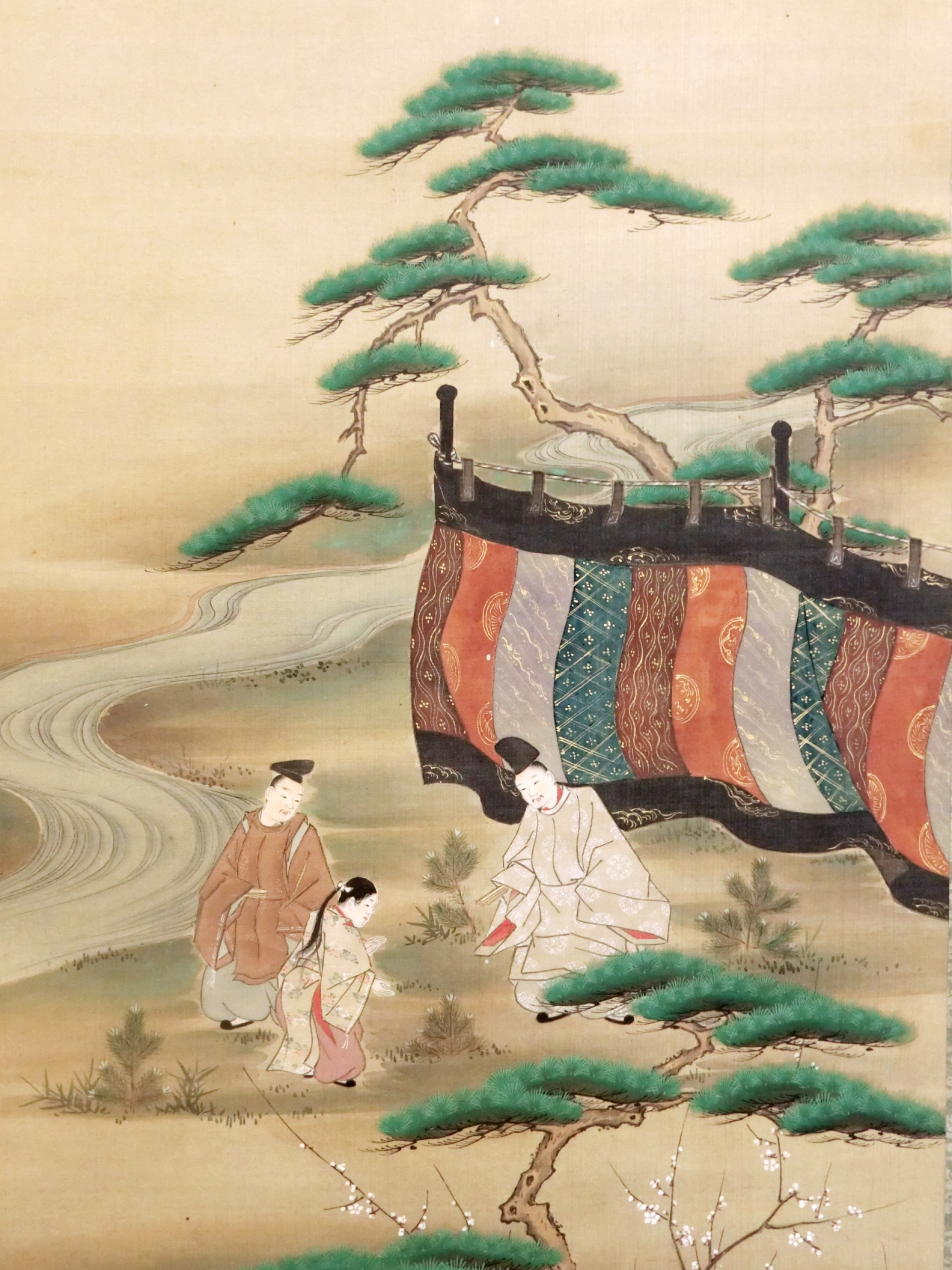
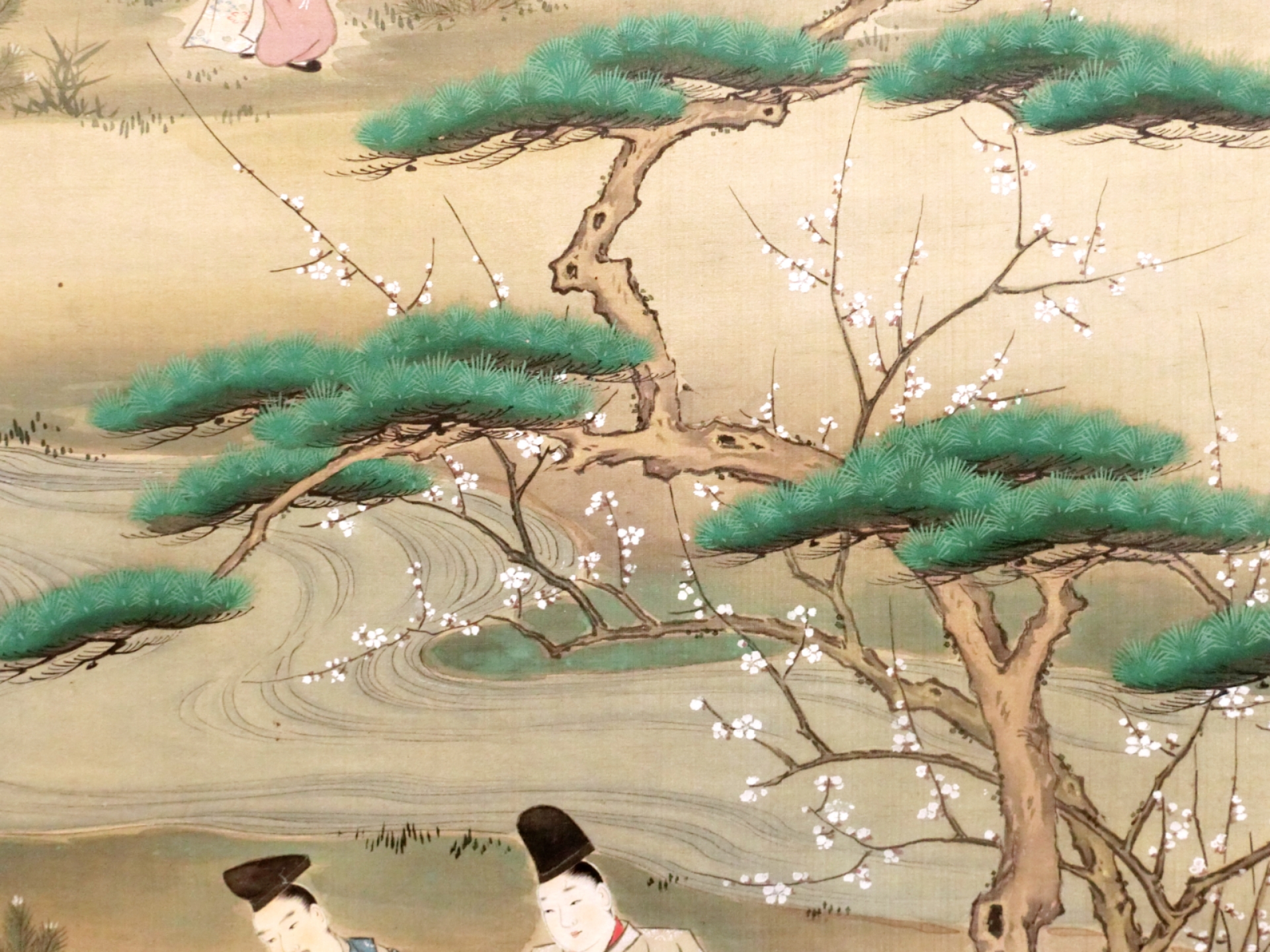
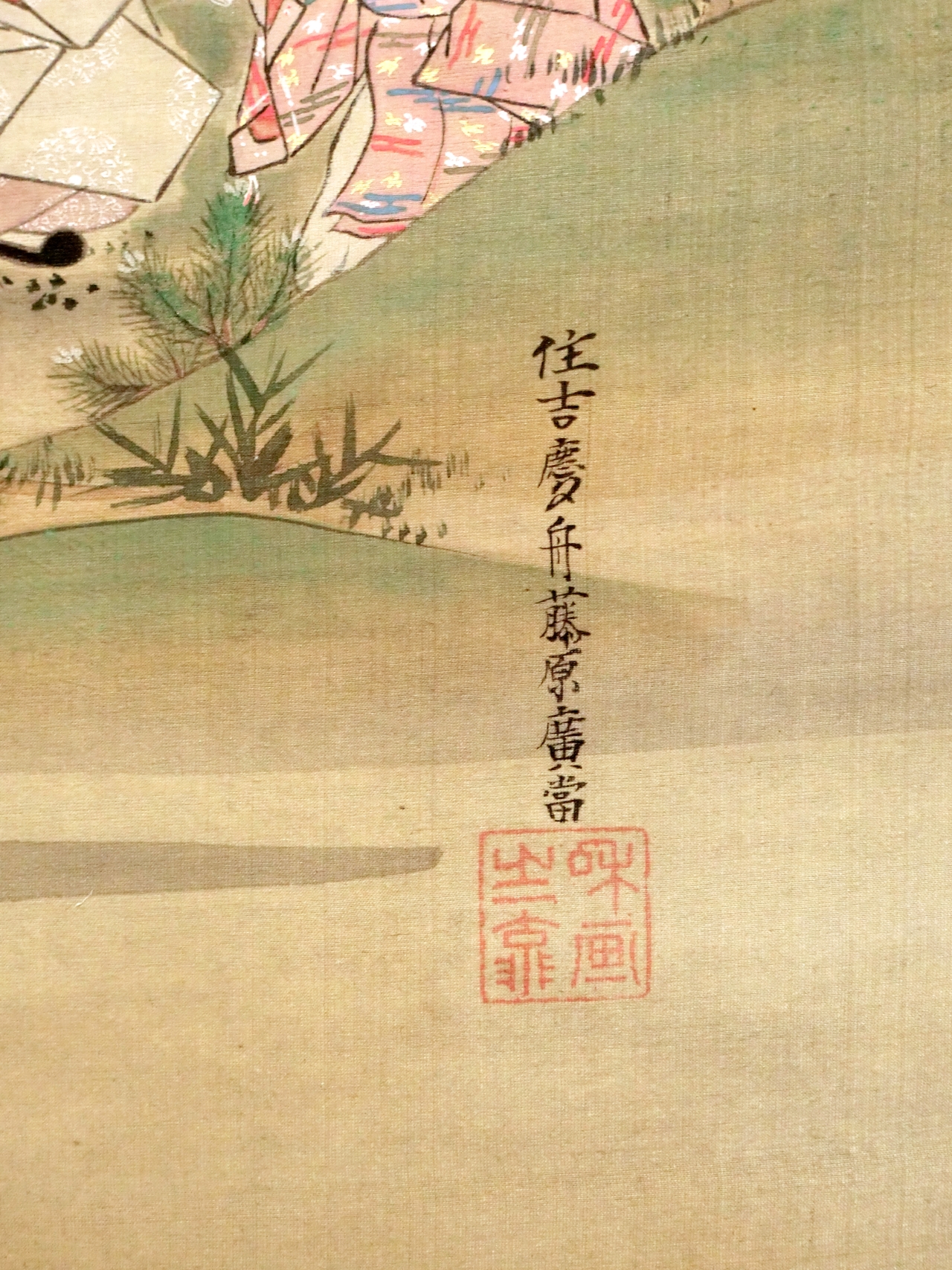
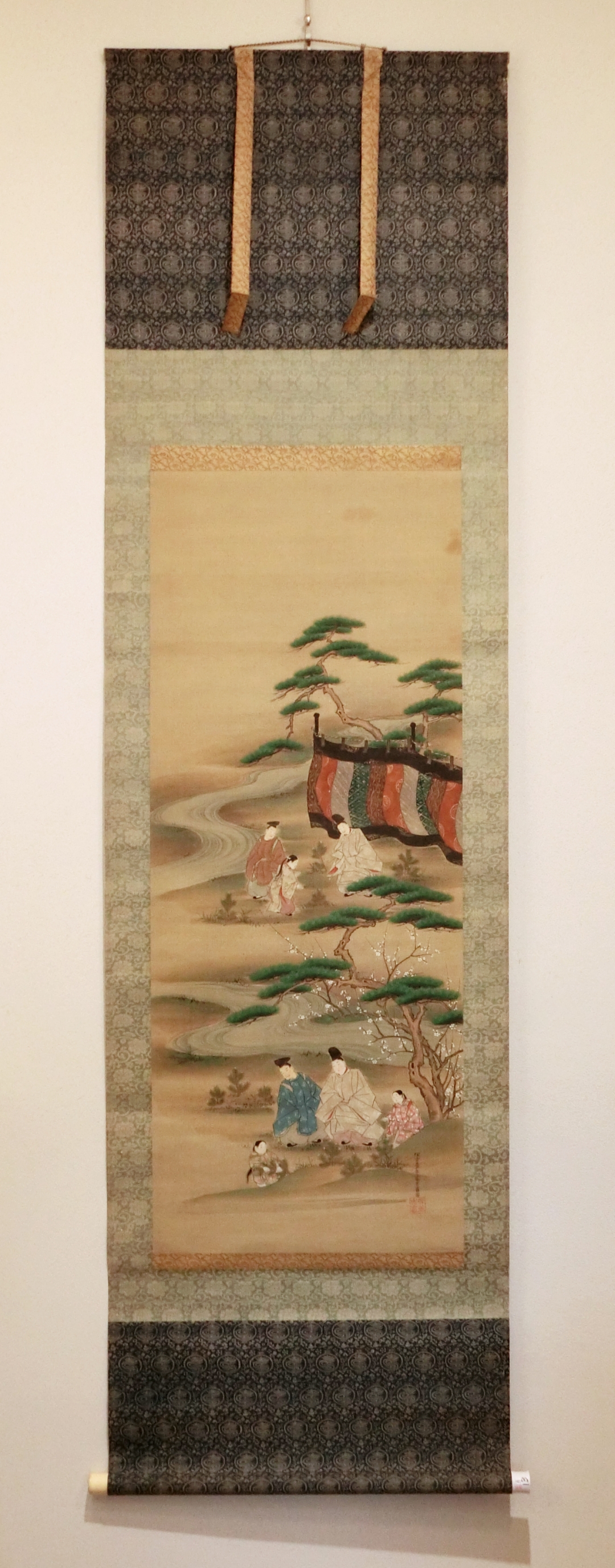
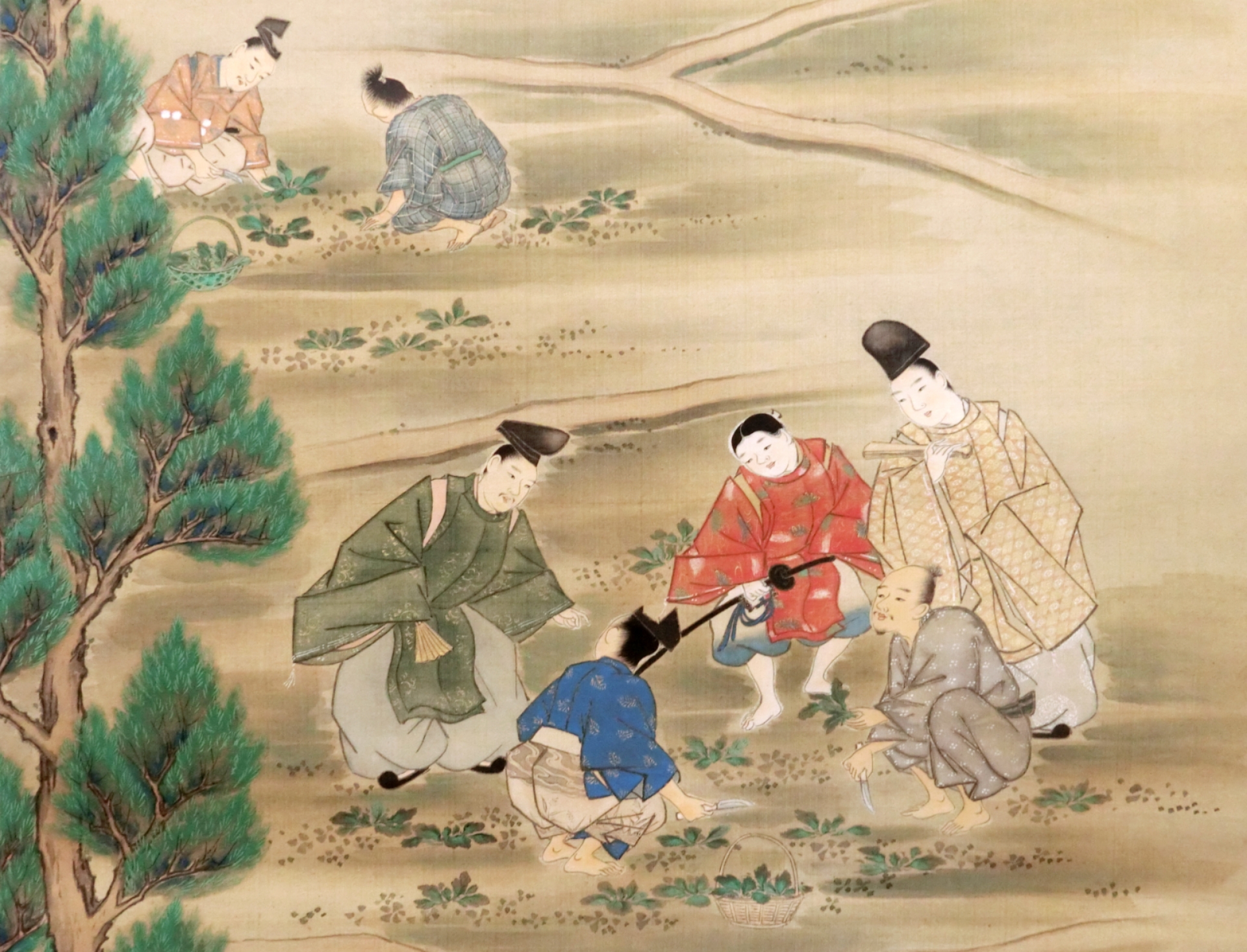
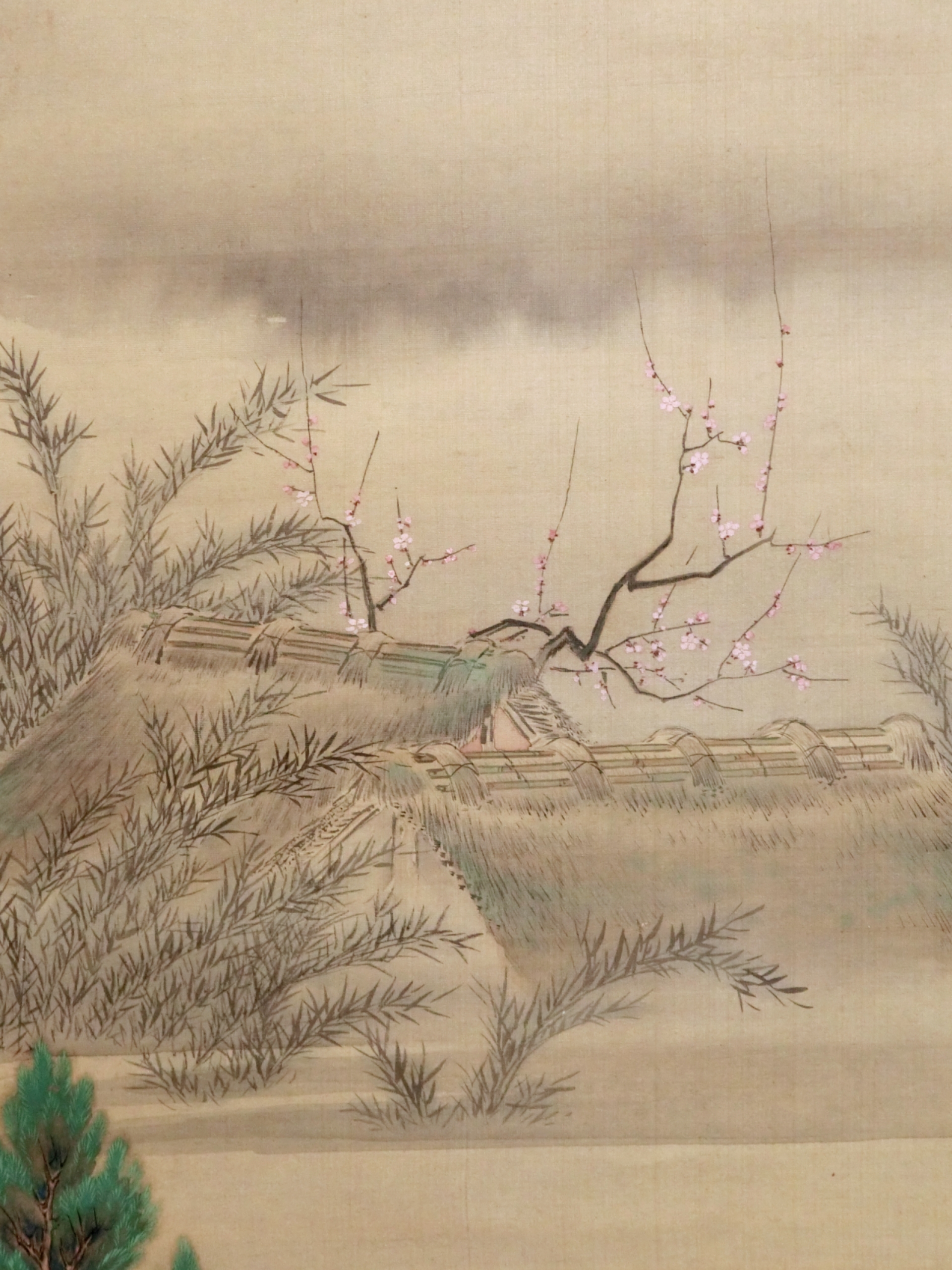
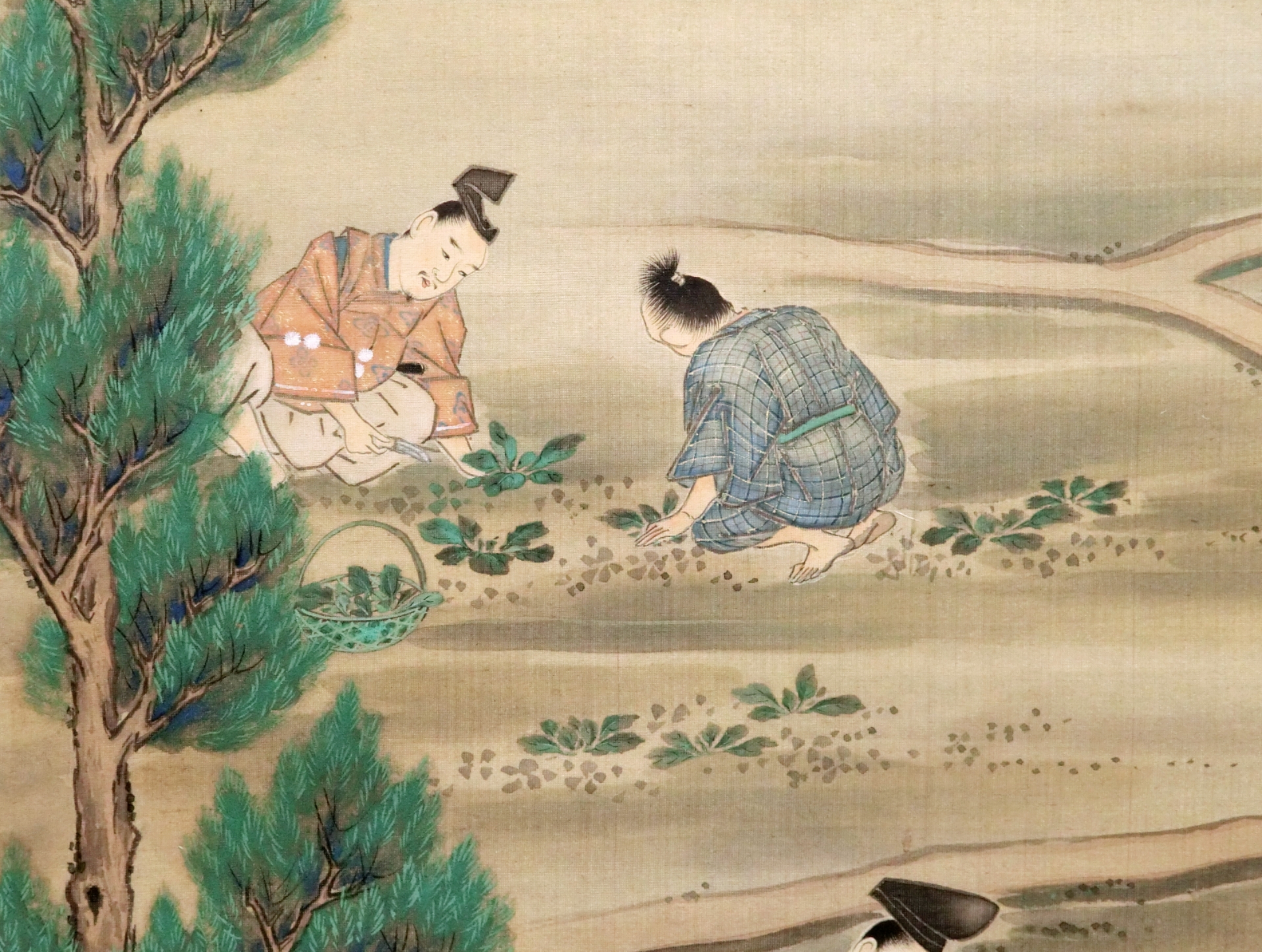
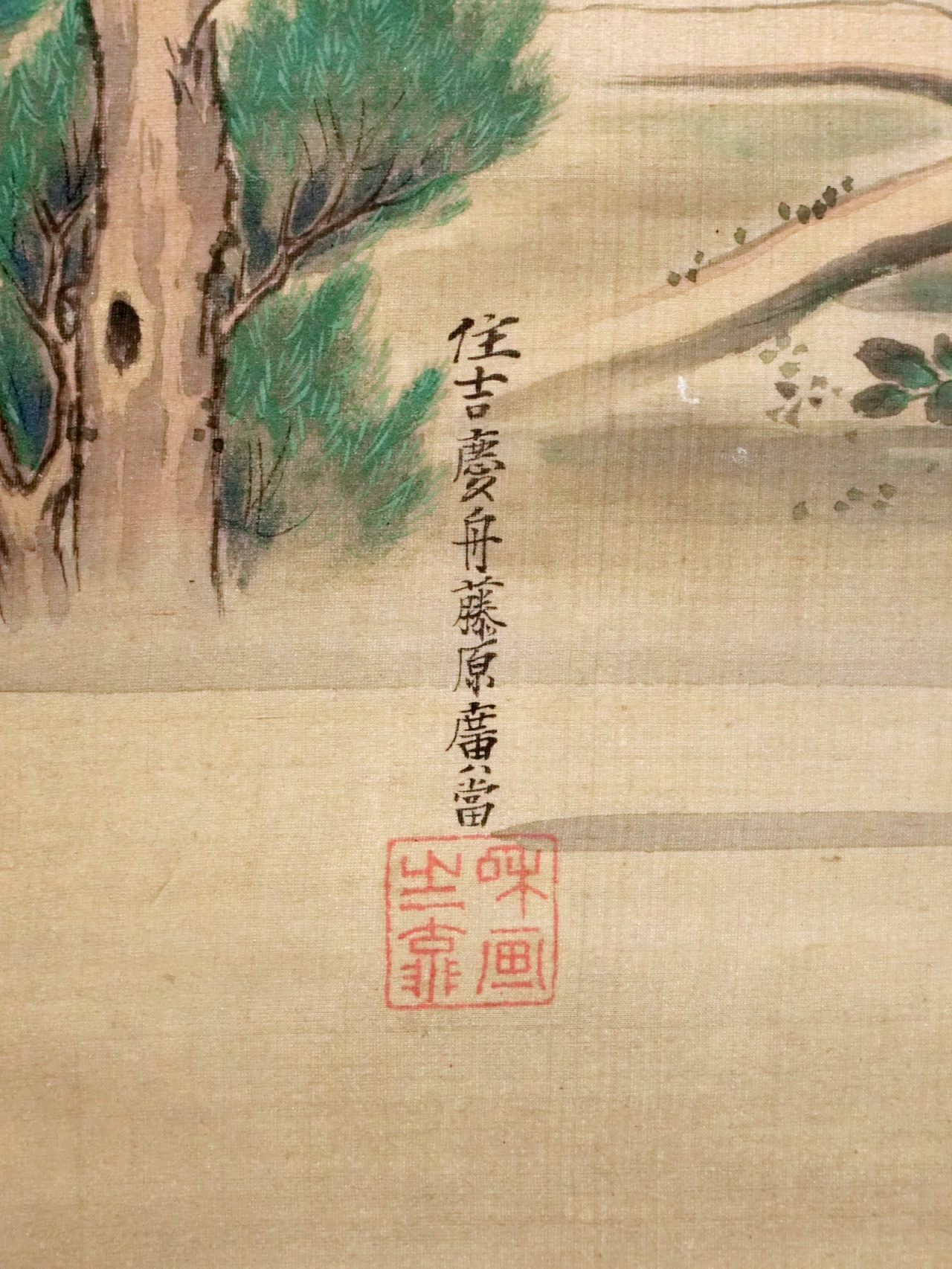
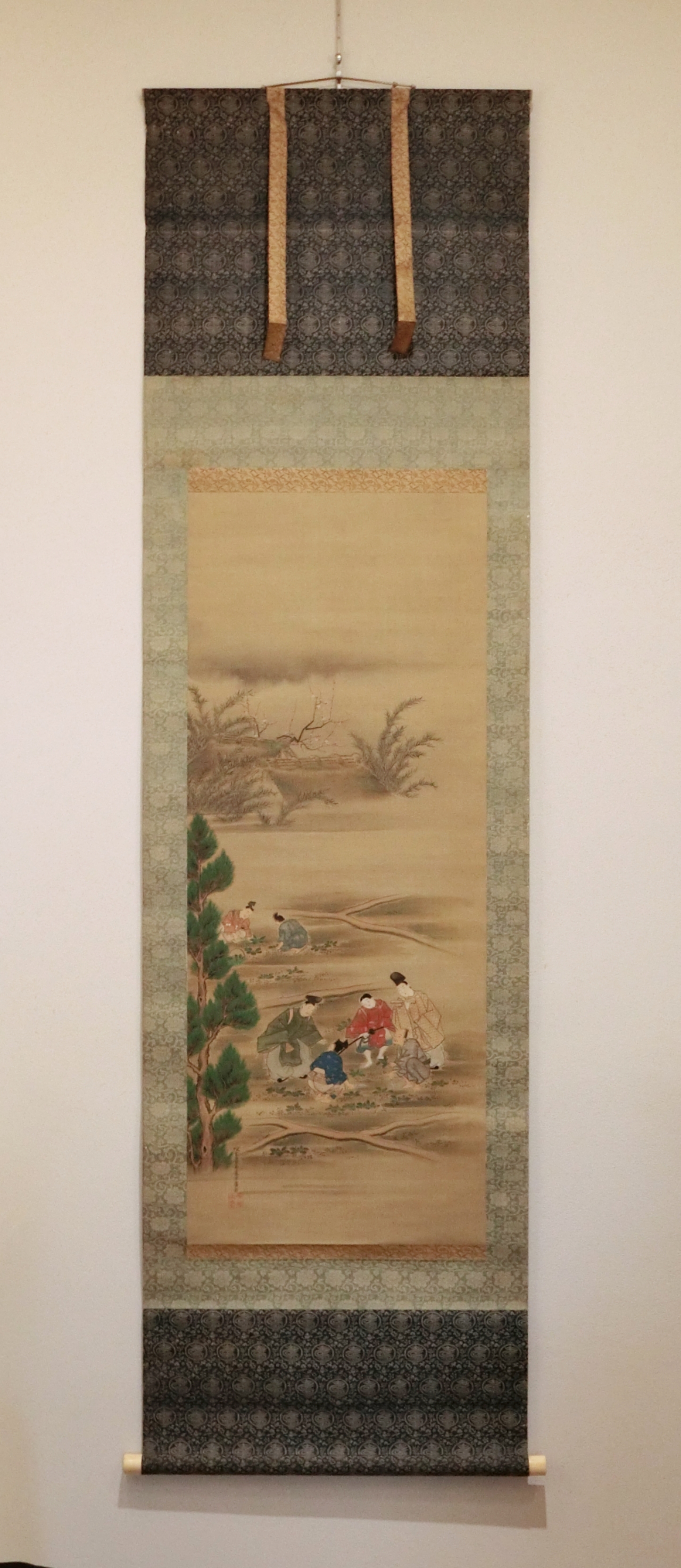
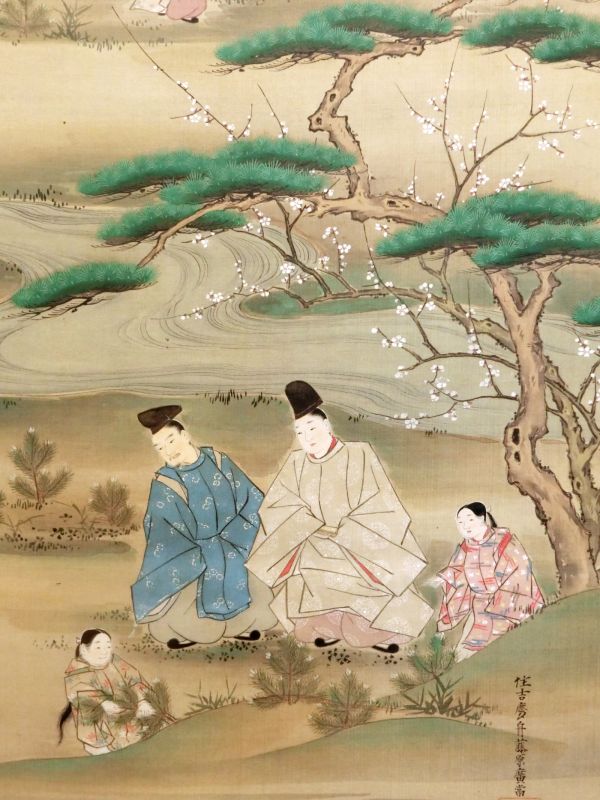
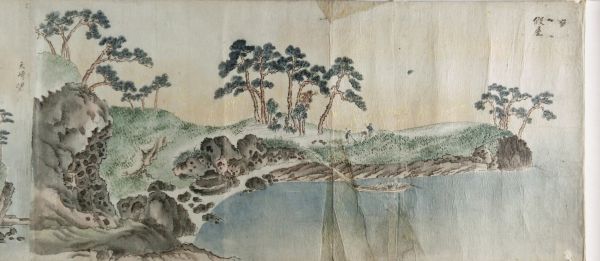
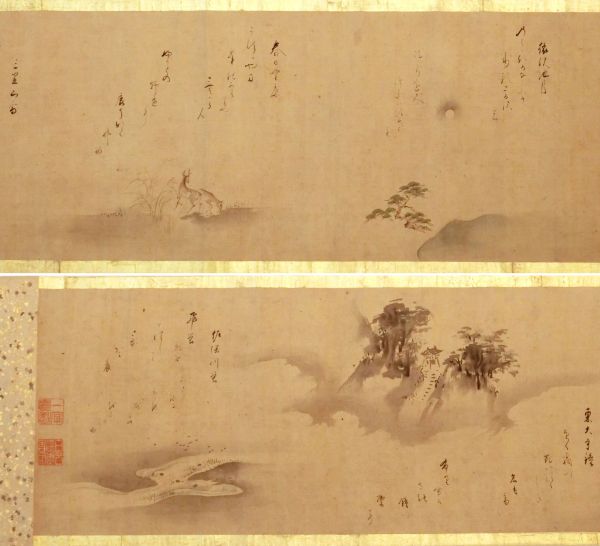
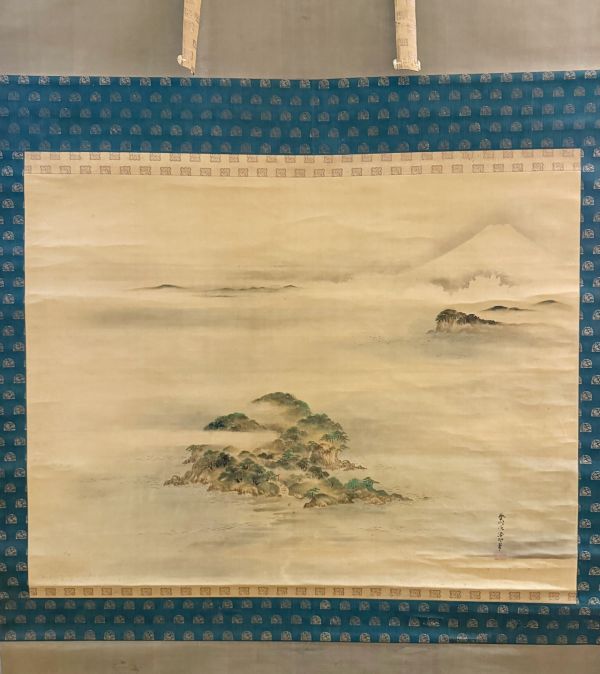
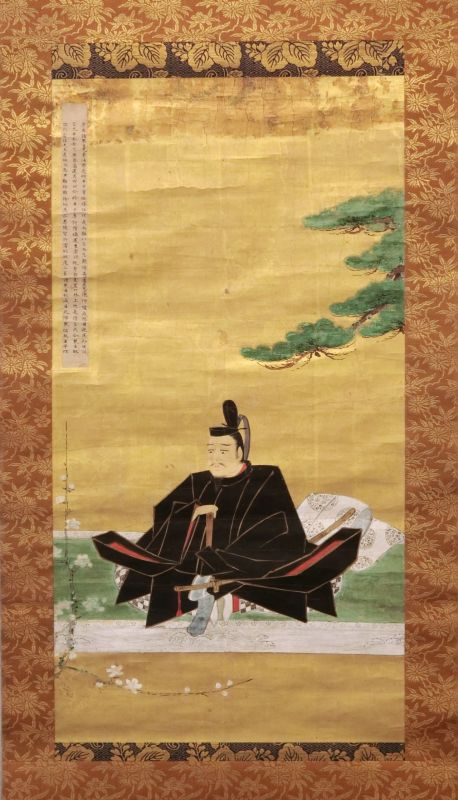
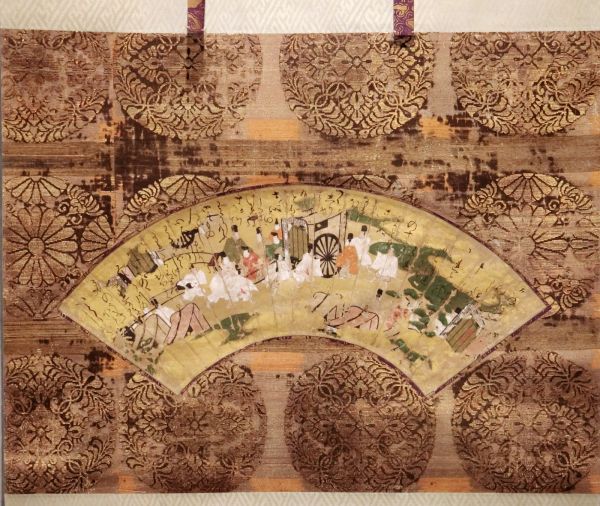
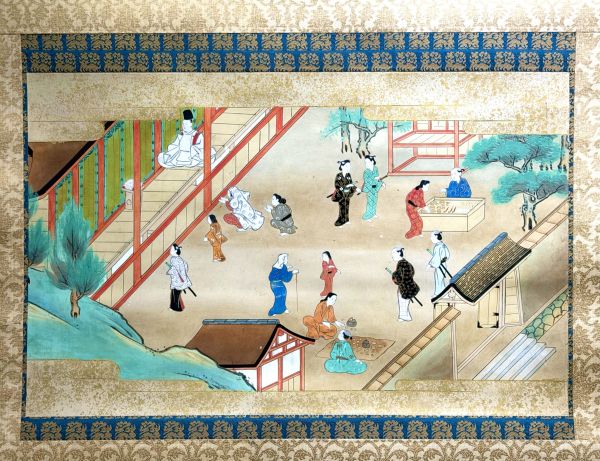
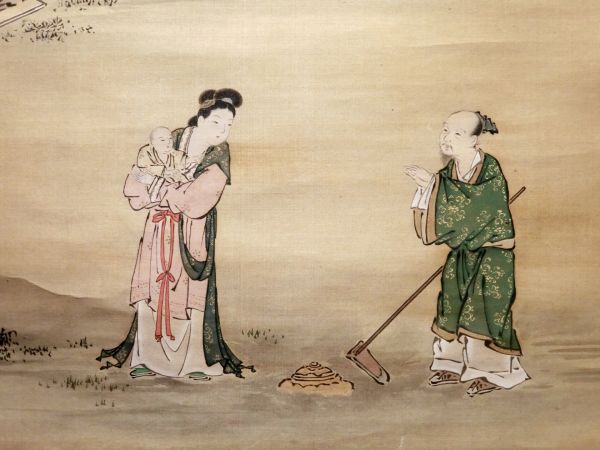
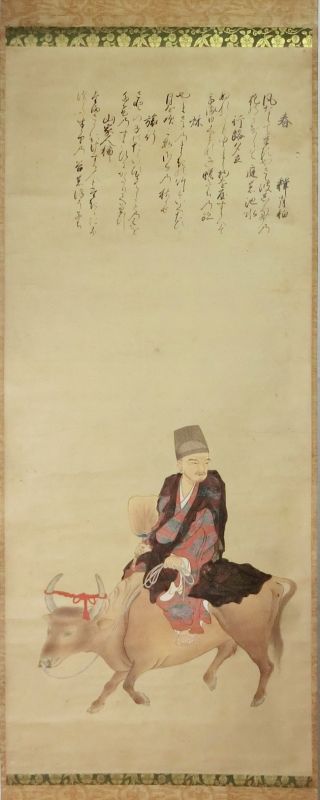
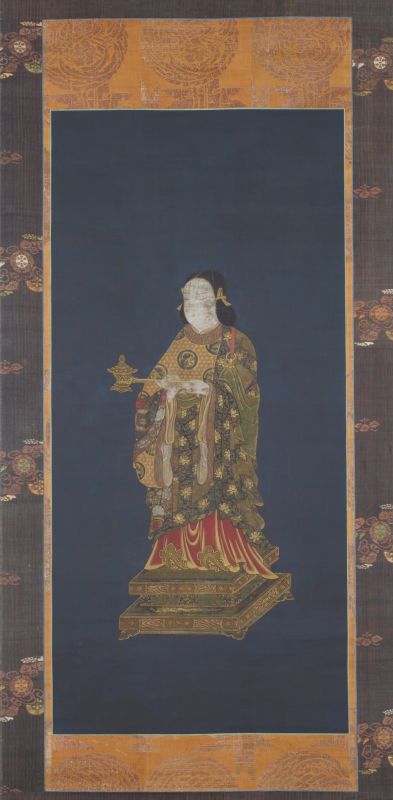
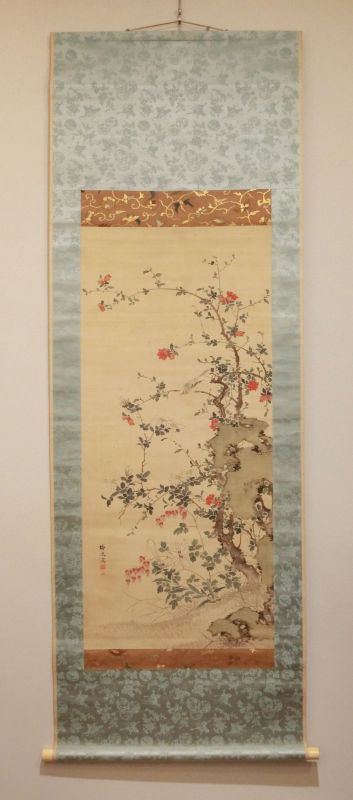
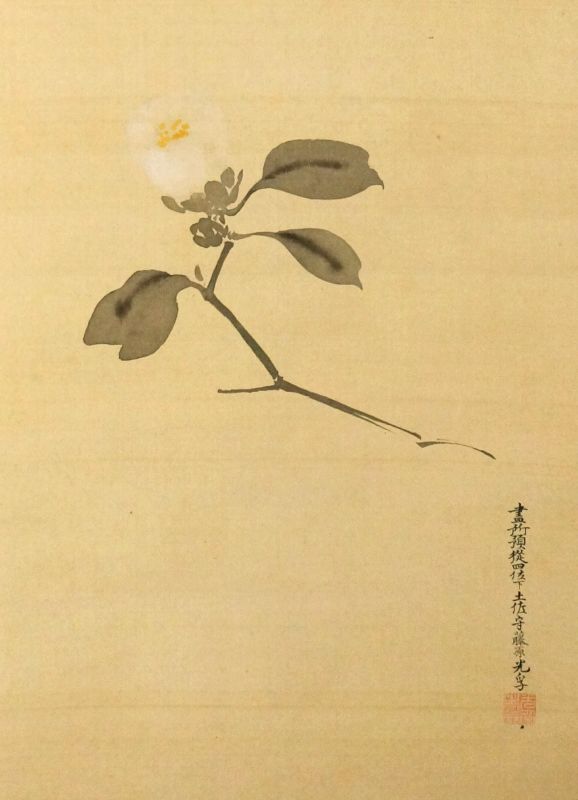
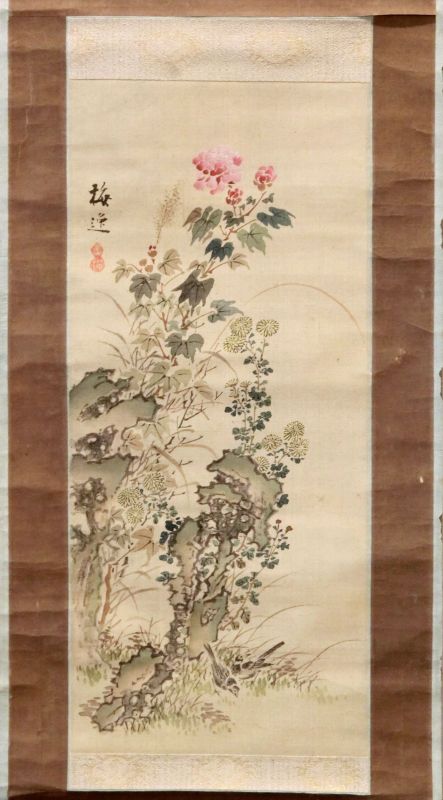
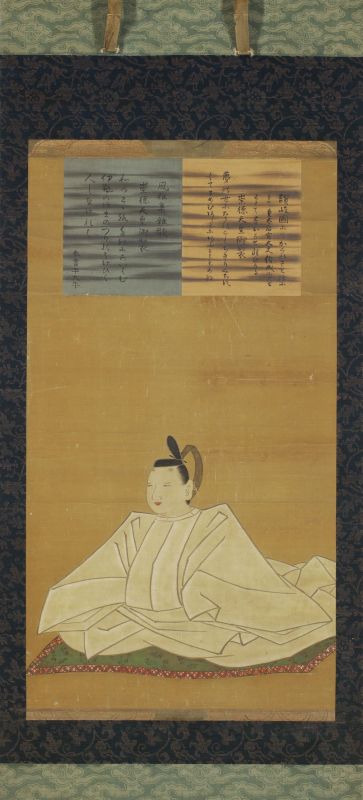
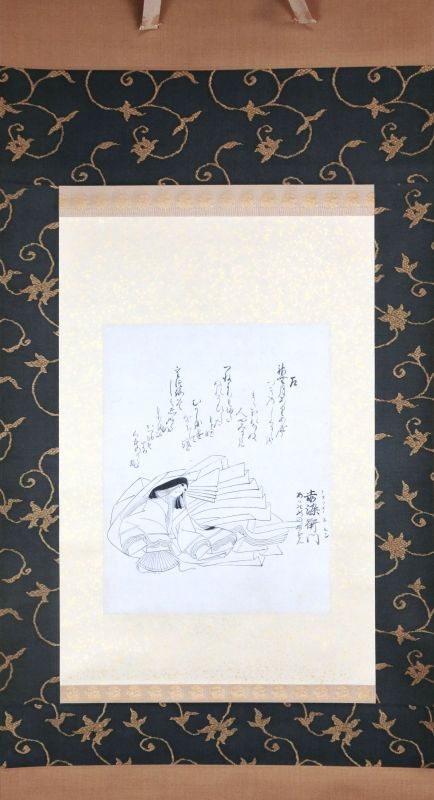
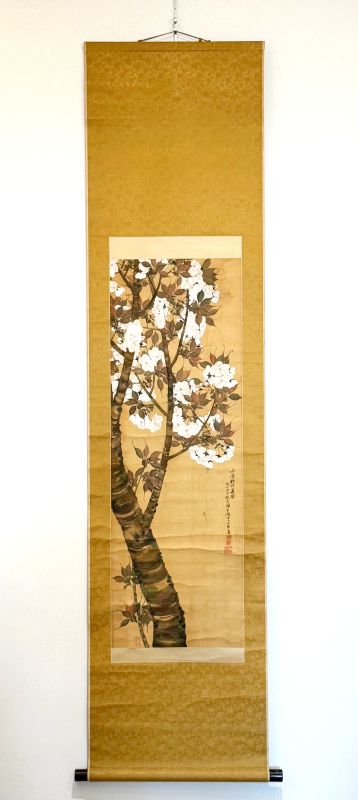
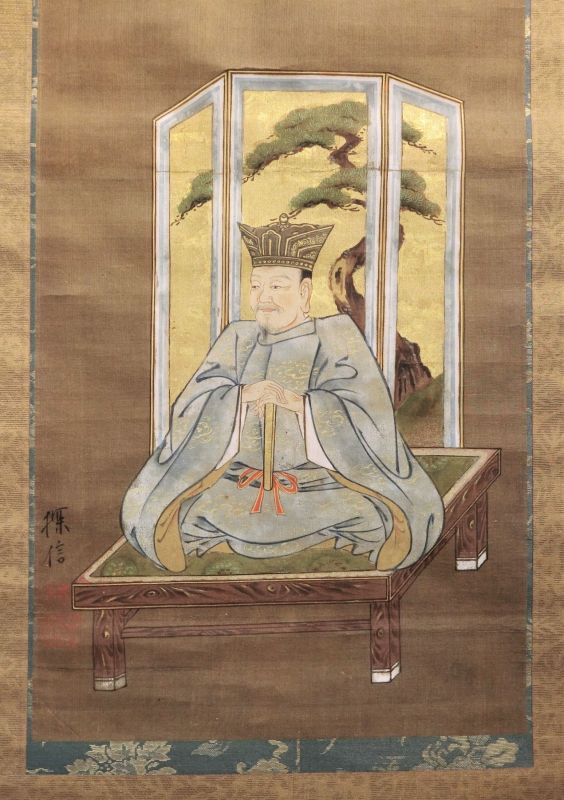
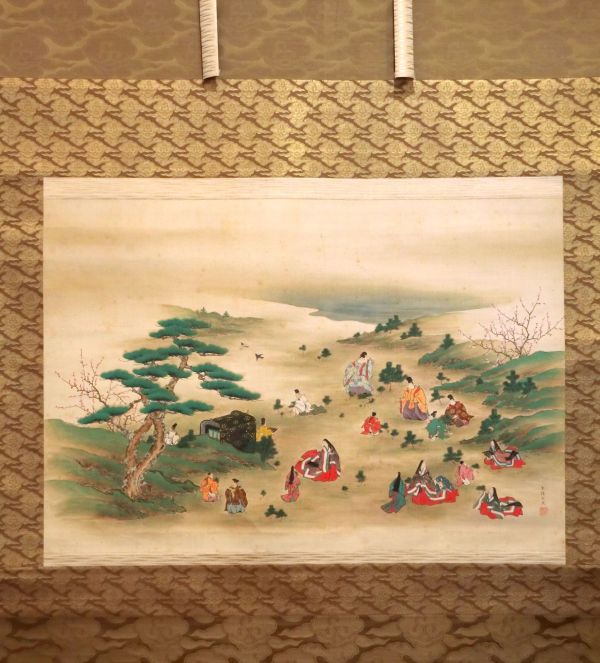
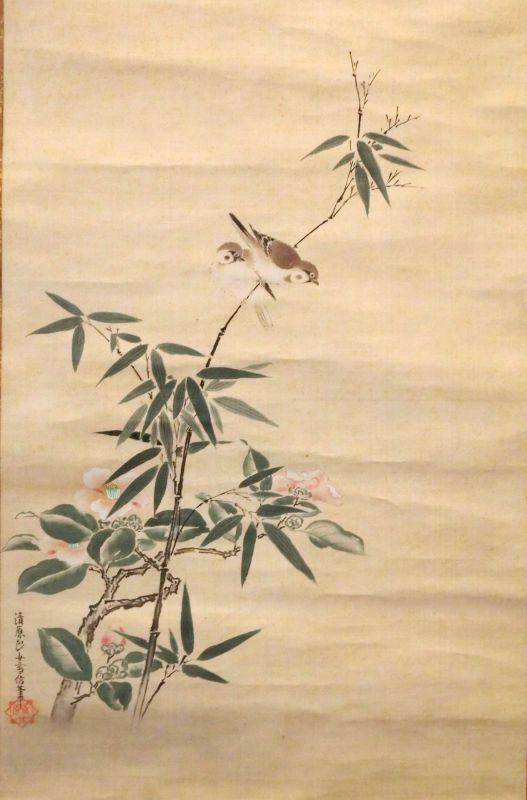
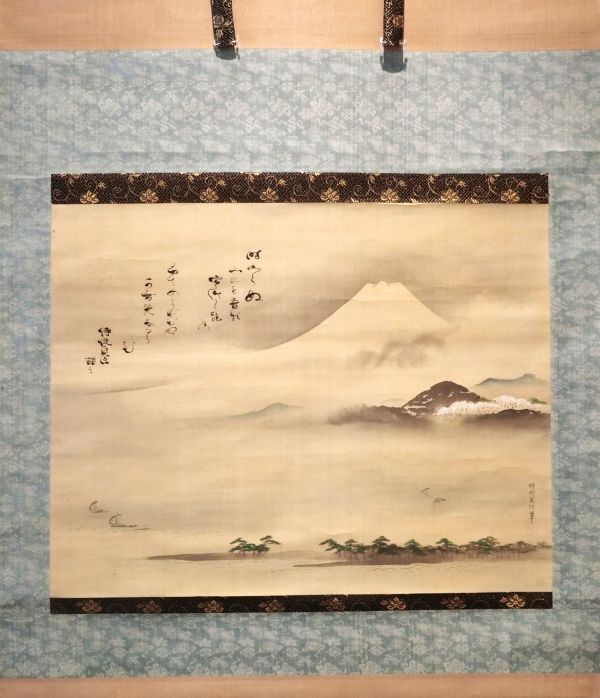
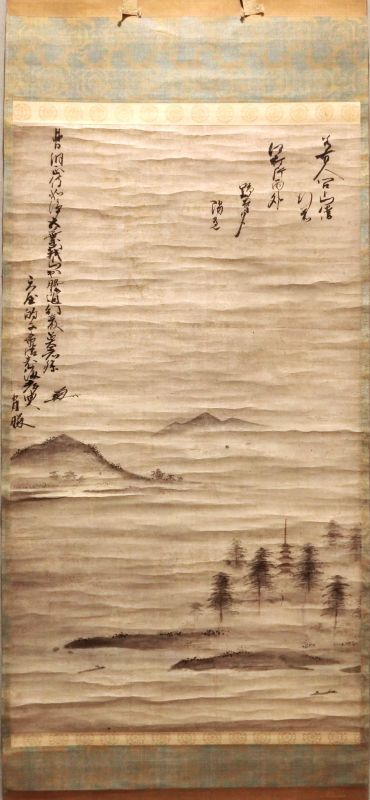
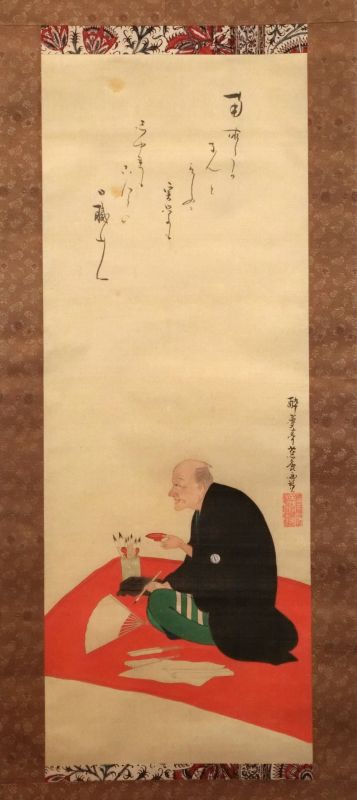
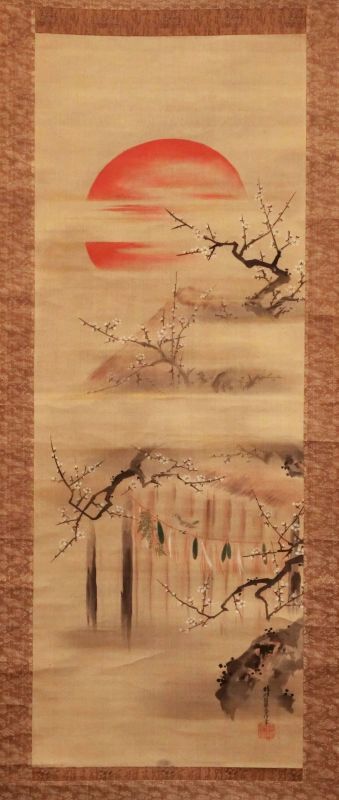
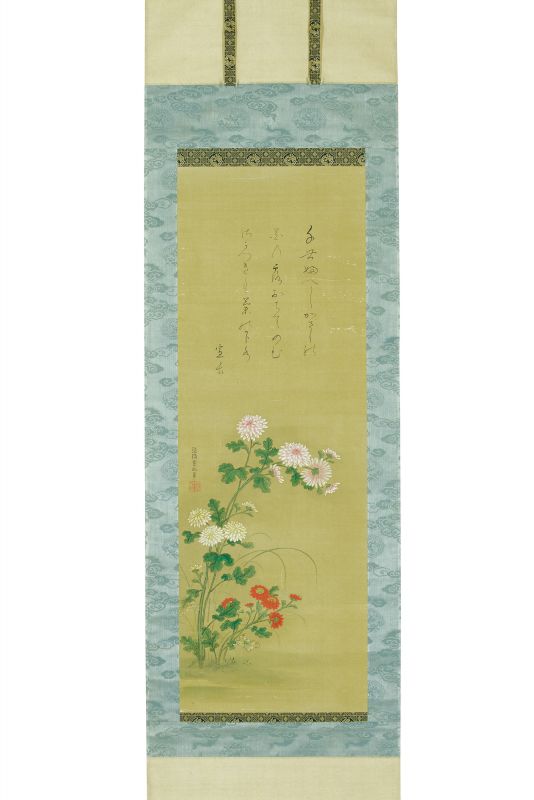
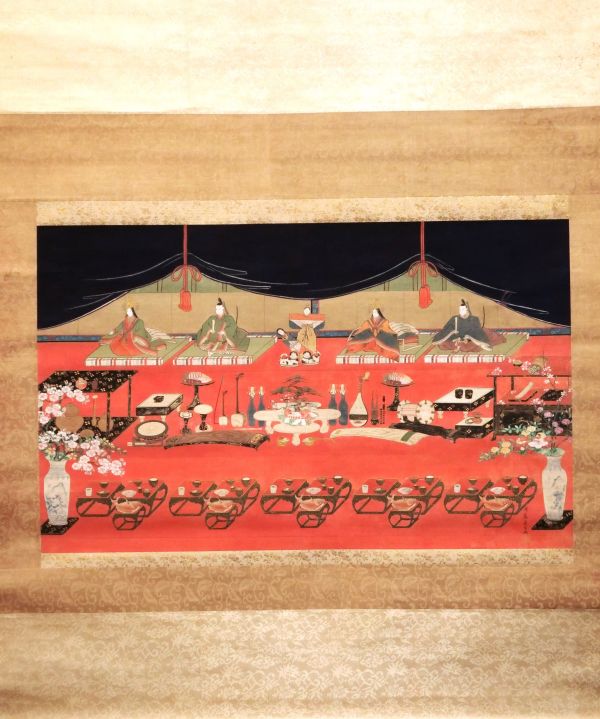
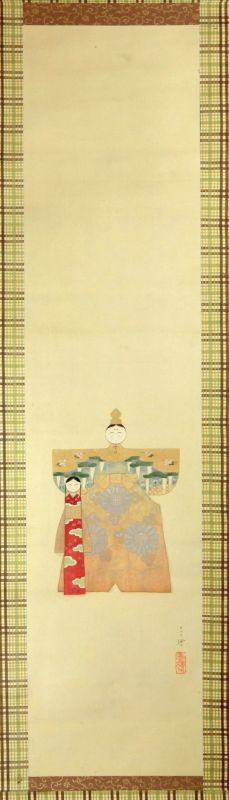
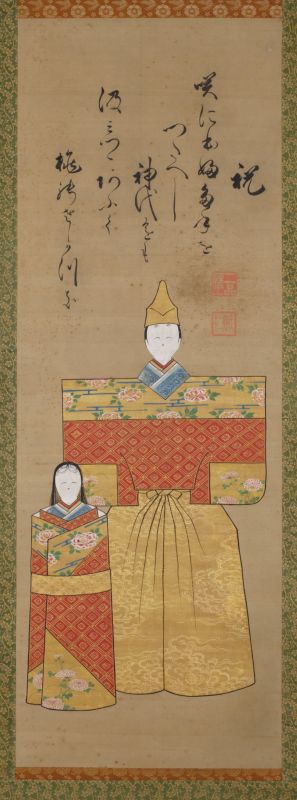
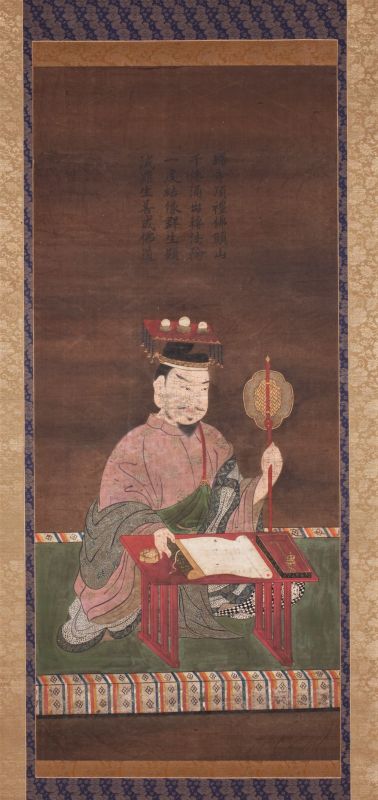
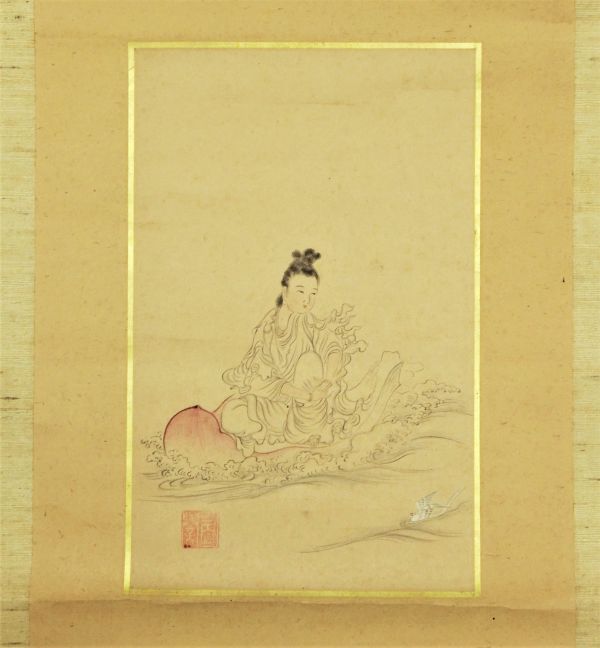
Itaya Hiromasa (1729-1797 , 板谷広当) paintings; Nenohinowakana (子の日の若菜)
Ink on silk , 2 scrolls
Total 191×53,2 cm each , Main 103,8×41cm each
Hanging scroll / Kakejiku
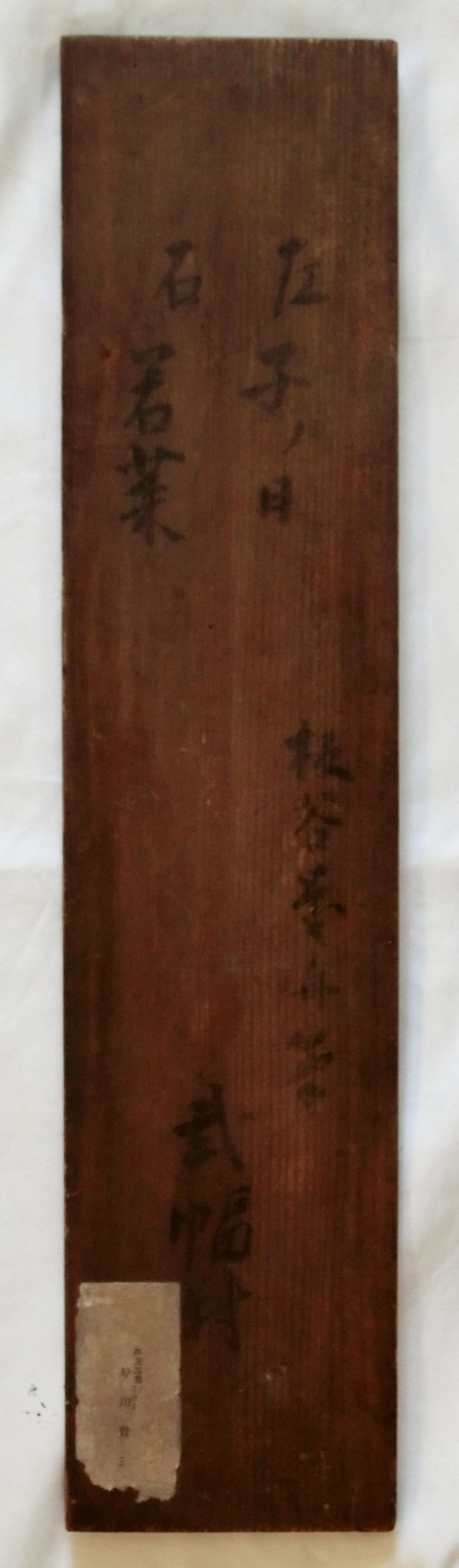
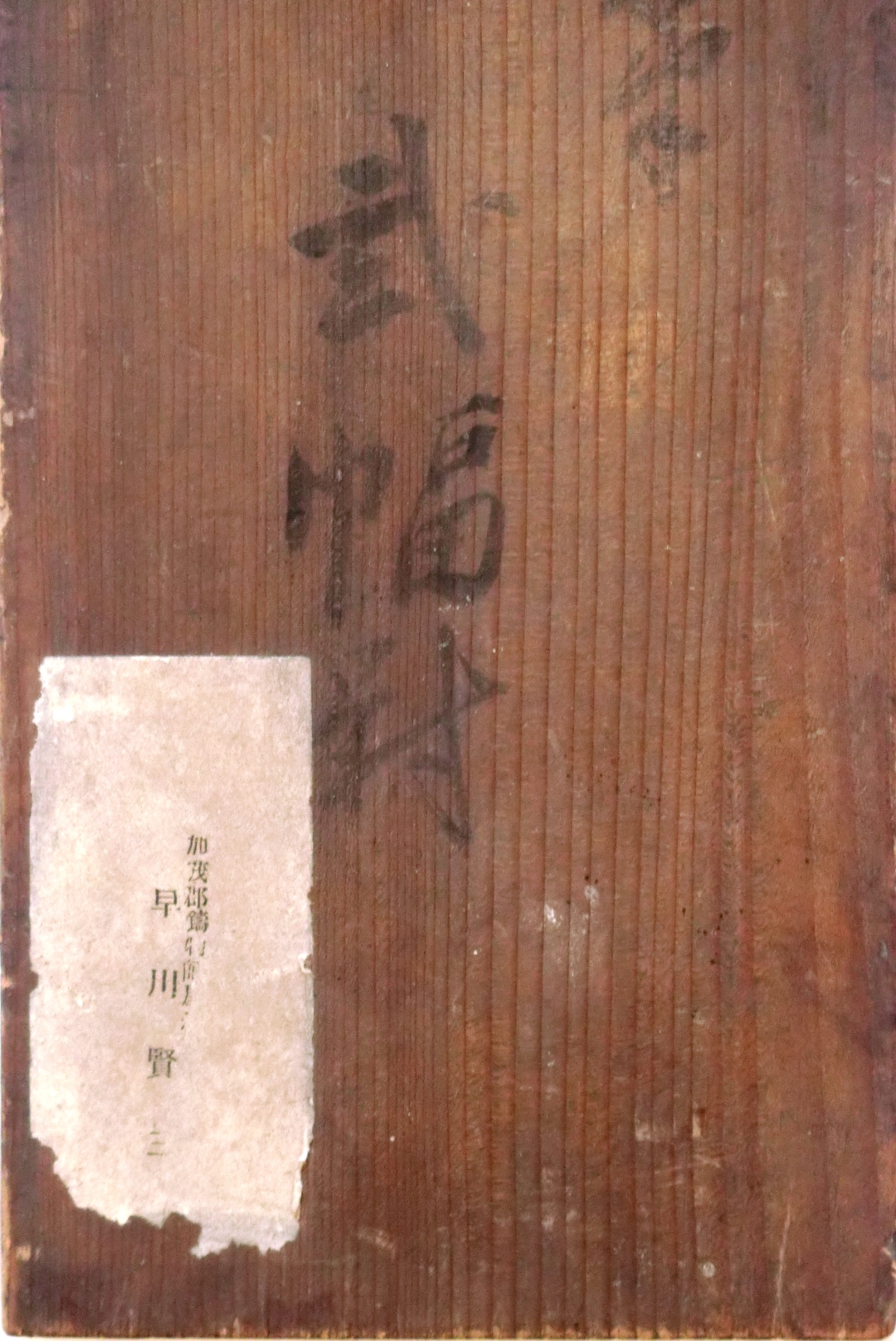
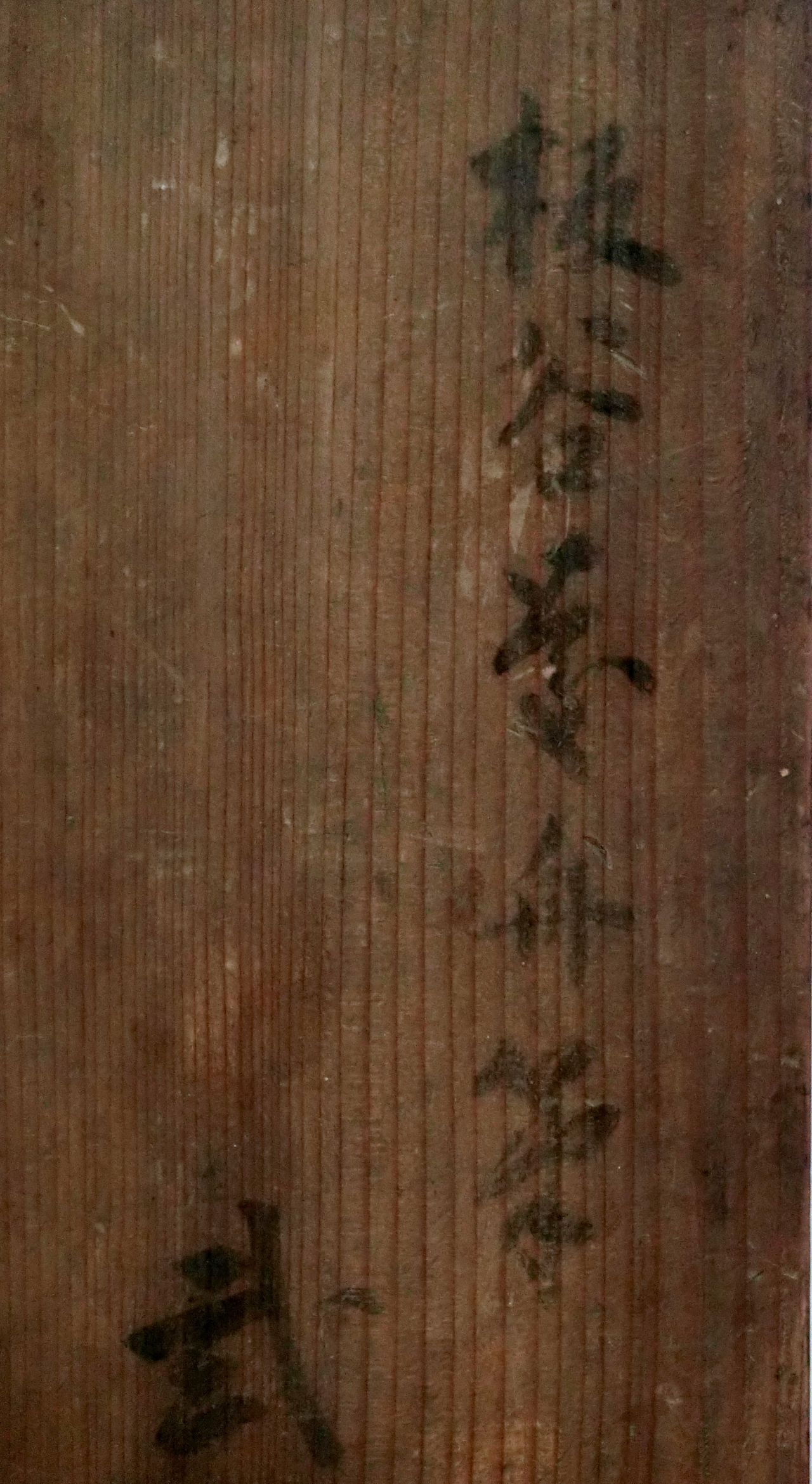
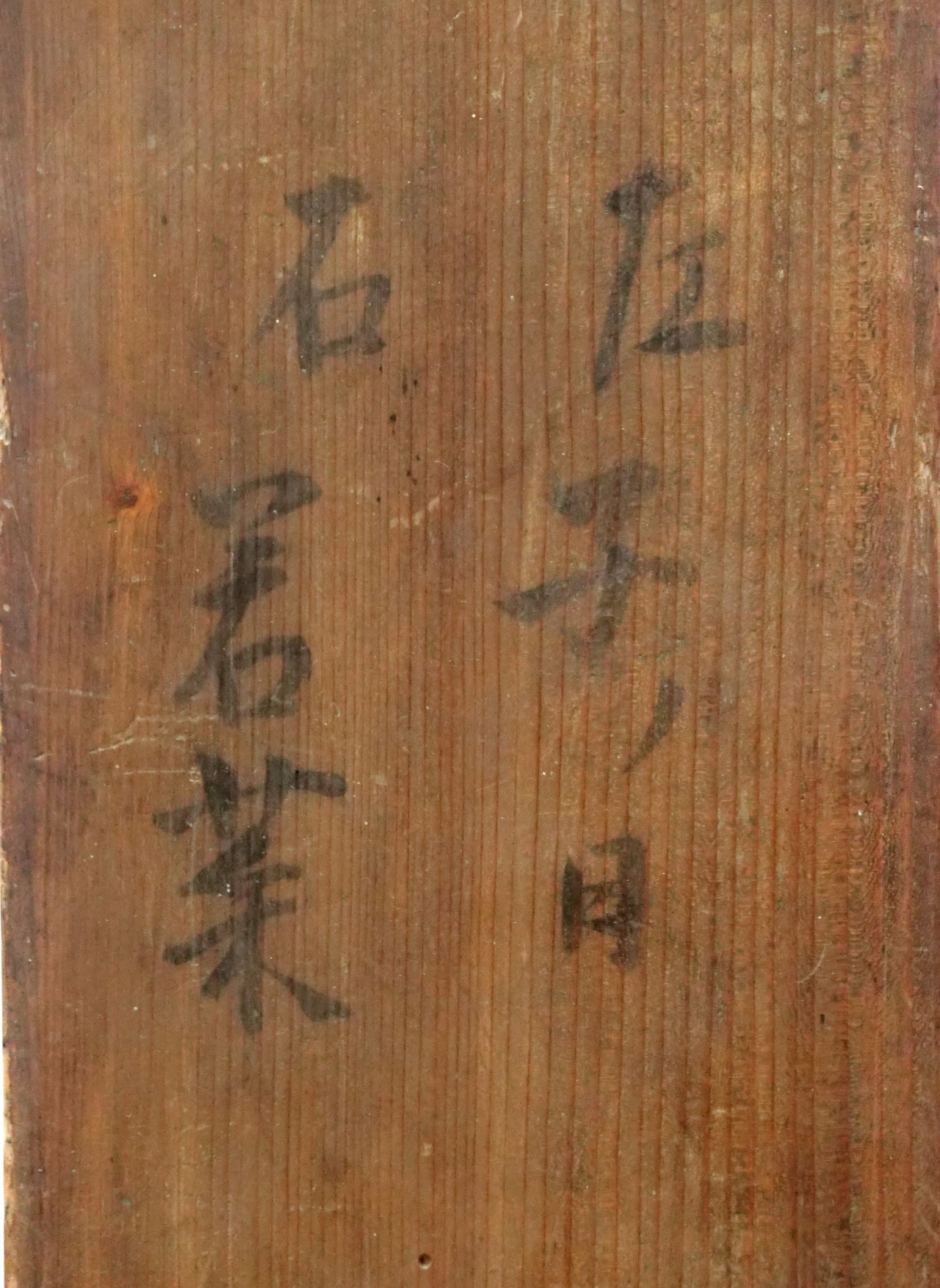
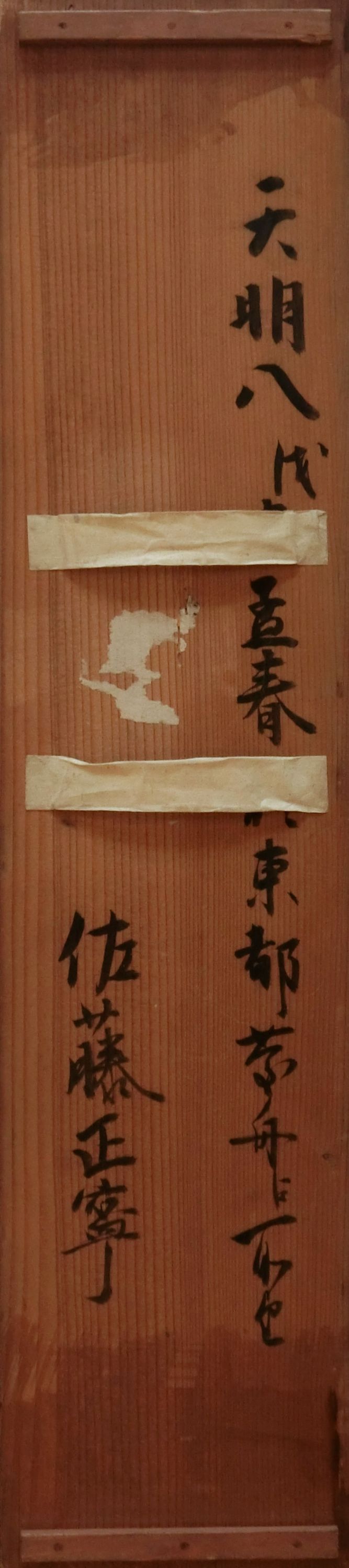
Accessary:old wood box
An official painter for the Edo Shogunate who was active during the mid-Edo period. He was the founder of the Itaya school, which branched off from the Sumiyoshi school—a lineage of *Yamato-e* (traditional Japanese-style painting). His childhood name was Hironori. He was commonly known as Keishū (originally written with the character 慶, later changed to 桂); consequently, he is referred to as Itaya Keishū or, by combining his given name, Itaya Keishū Hiromasa.
He was born the son of Itaya Jirōbei, a retainer to Aoyama Daizen-no-suke of the Amagasaki Domain. In 1741, at the age of thirteen, he began his apprenticeship under Sumiyoshi Hiromori, the fourth head of the Sumiyoshi family. On June 25, 1773 (the sixth day of the fifth month, An'ei 2), upon Hiromori's retirement, he obtained shogunal permission to leave the service of the Aoyama clan and succeed as the head of the Sumiyoshi family, inheriting their stipend and residence. On July 1 of that same year, he was granted an audience with the Shogun, Tokugawa Ieharu. In 1777, he adopted the surname Sumiyoshi. However, once Hiroyuki had successfully come of age, he transferred the family headship, stipend, and residence to Hiroyuki on February 7, 1782 (the twenty-fifth day of the twelfth month, Tenmei 1) and reverted to the surname Itaya. On March 12, 1782 (the eighth day of the second month, Tenmei 2), he was newly appointed to shogunal service; he was granted a stipend for five people and a residence at Akasaka Tango-zaka, and was commissioned to create paintings for the *Oku* (the inner chambers of the Shogun's palace). From then on, the Itaya family, alongside the Kanō and Sumiyoshi families, served for generations as painters for the inner chambers.
He was also highly valued by the Owari Tokugawa family; at the behest of the ninth head, Tokugawa Munechika, he collaborated with Hiroyuki to create the *Tōshōgū Engi Emaki* (Illustrated Handscroll of the Origins of Tōshōgū Shrine). He proposed to the Owari Domain that they donate a painting of "Shaka Sanzon and the Five Hundred Arhats" to Kenchū-ji, the family temple of the Owari lords. From 1795, he used the art name Keishū. He passed away due to illness in 1797 at the age of sixty-nine. His posthumous Buddhist name was Chōshōin Seikō Keishū Koji. His family temple is Maisō-in in Minami-Aoyama. The Itaya family itself was succeeded by the son, Itaya Kei (Keii) Korenaga. Thereafter, the family alternated between the art names Keishū and Keii.
Price: 220,000yen(tax included)
The title of the work will be
automaticaly entered inf the contact form.
About Purchasing
Please contact us by phone or by clicking the inquiry button on the product page and using the inquiry form.
For security reasons, we do not send automatic reply emails. We will contact you by phone or email within 1-2 business days. You can also visit us and see the actual art work. You can choose to pay by wire transfer or credit card payment. After confirming payment, we will ship the item.
 ">
">
-horz.jpg)
.jpg)