Click image to enlarge
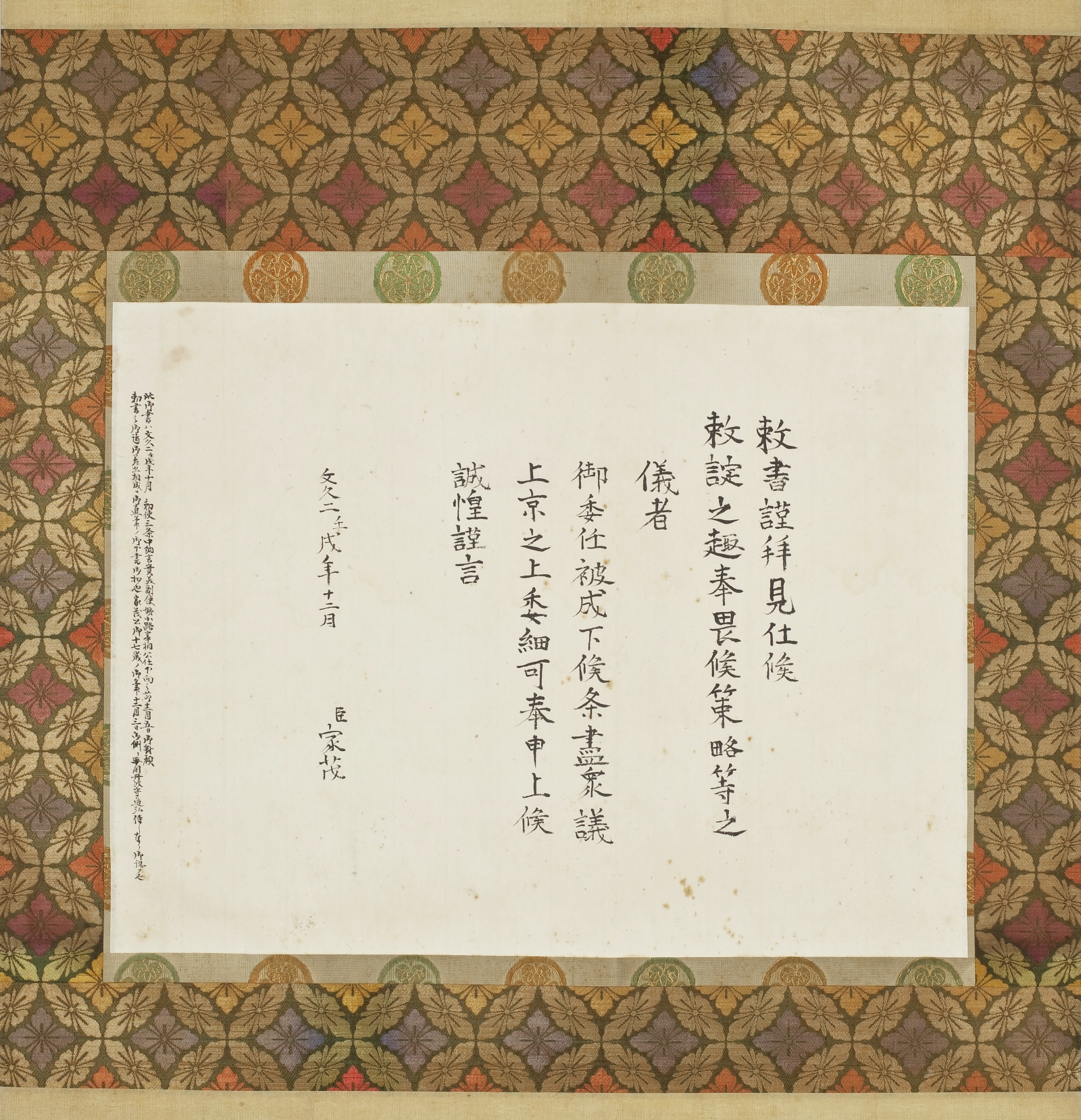
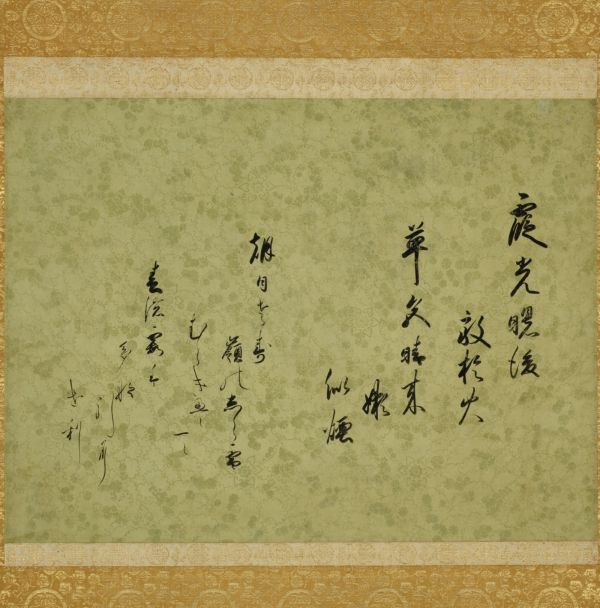
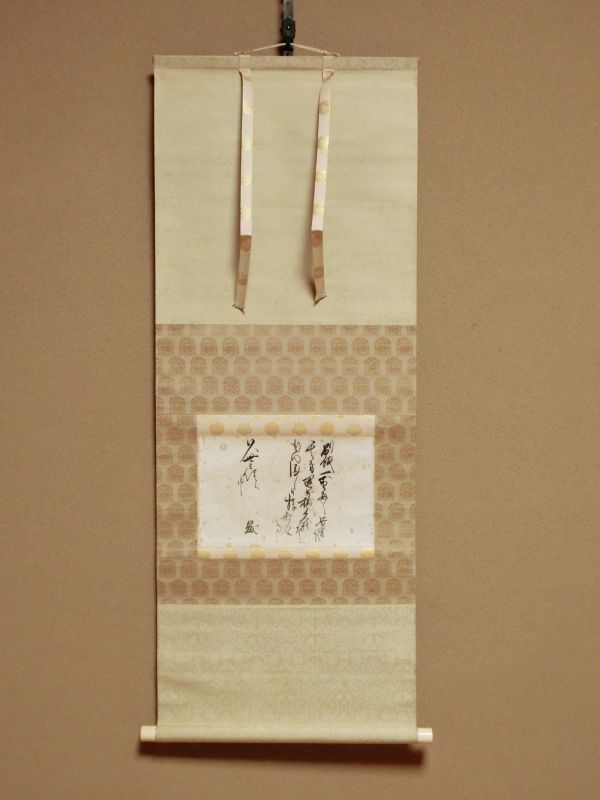
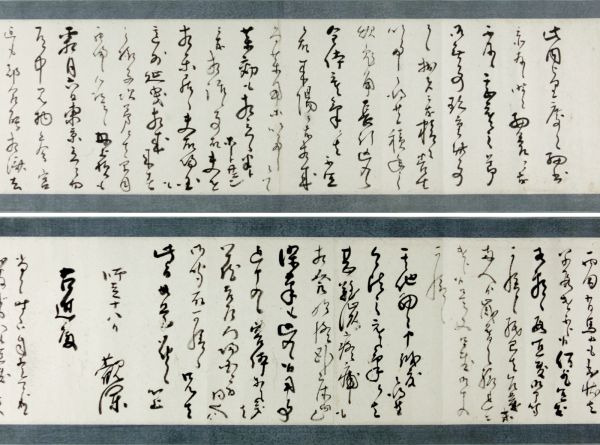
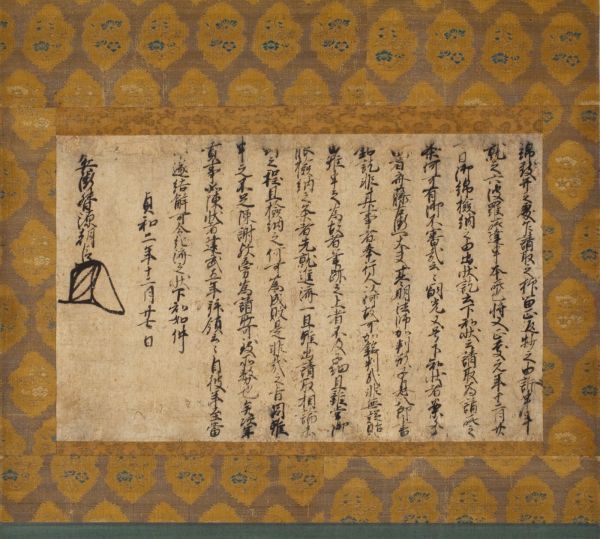
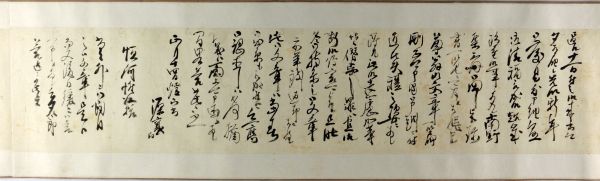
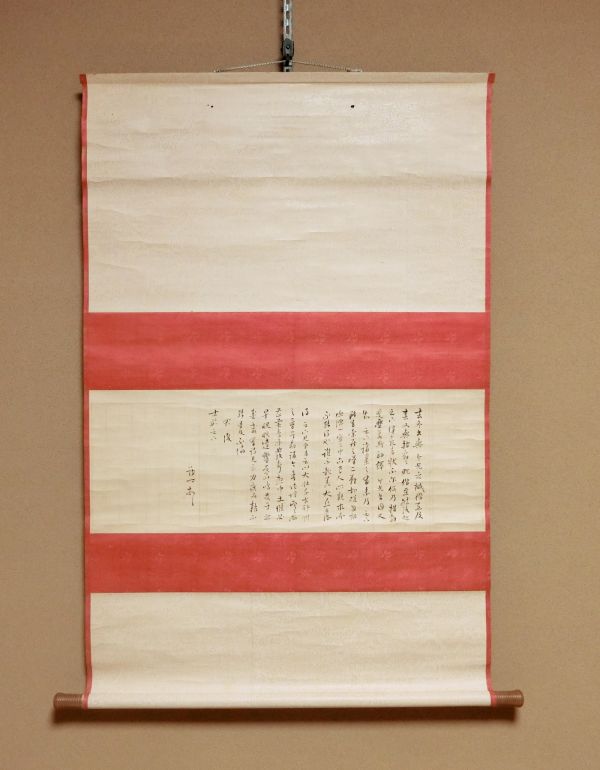
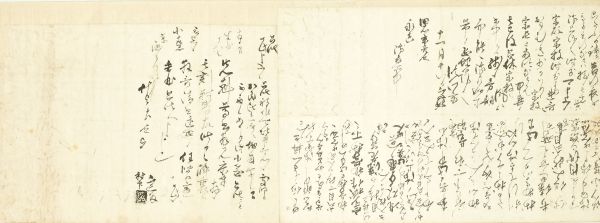
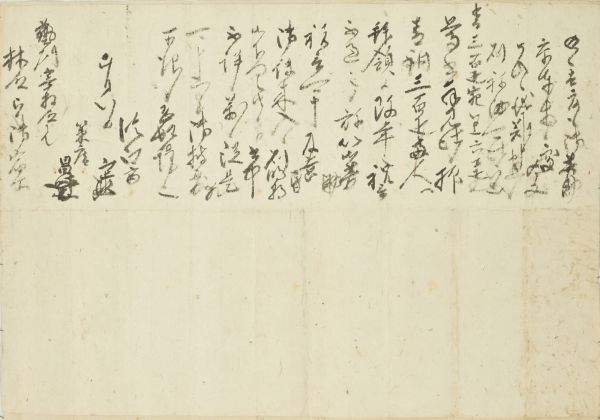
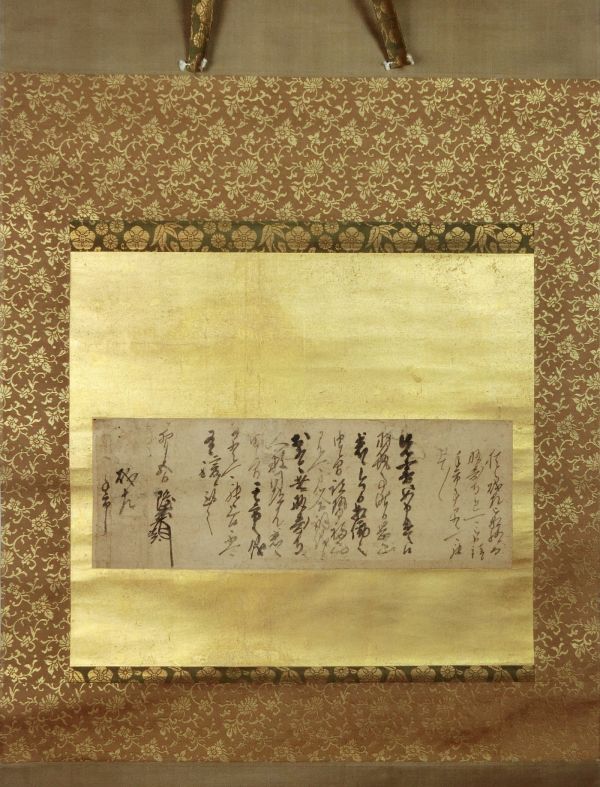
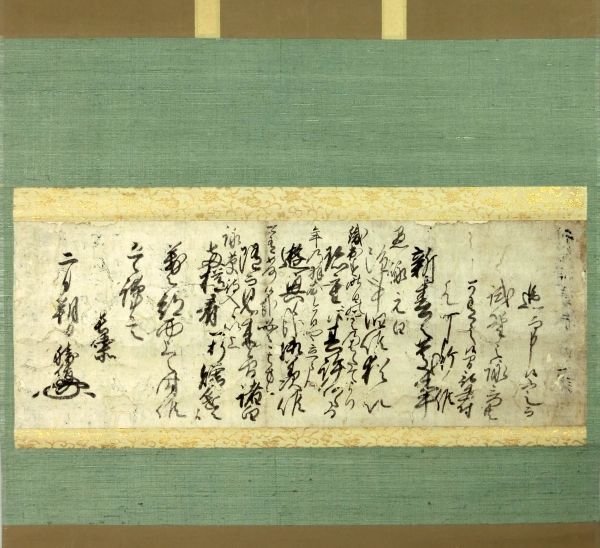
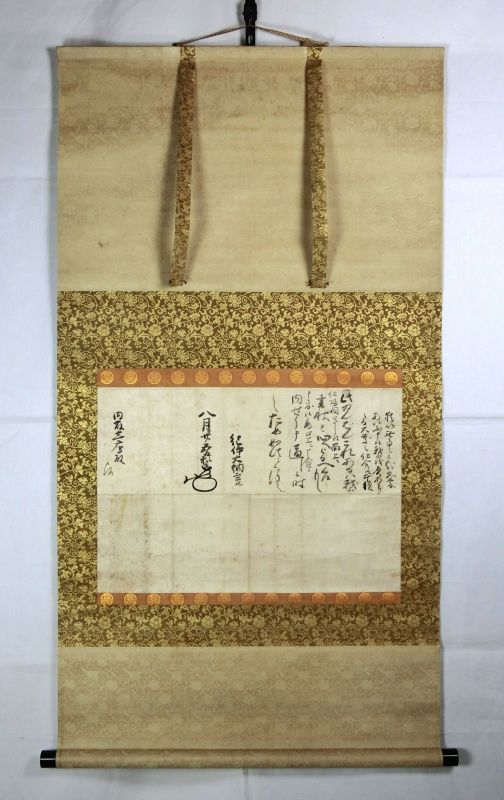
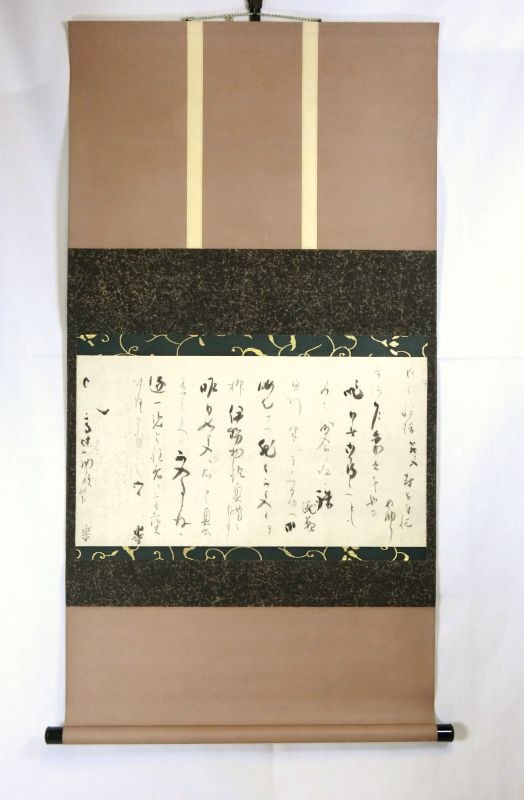
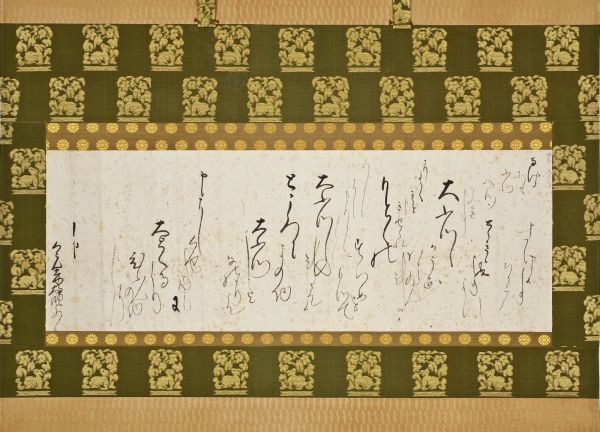
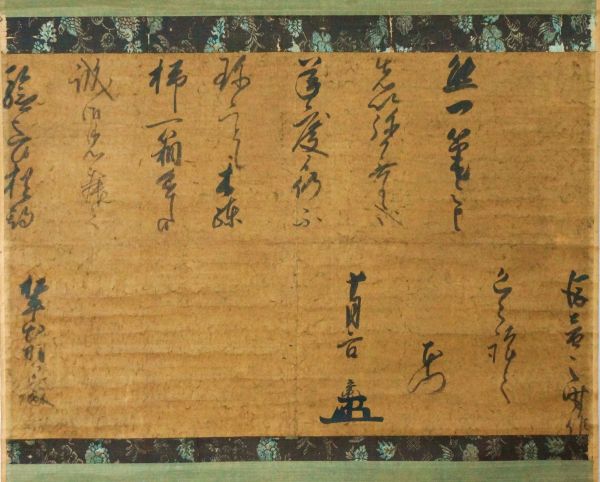
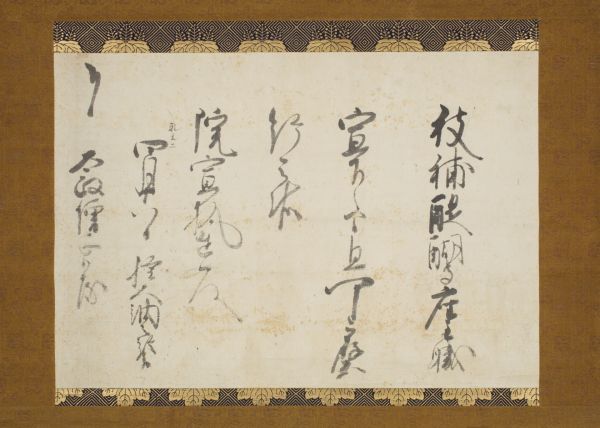
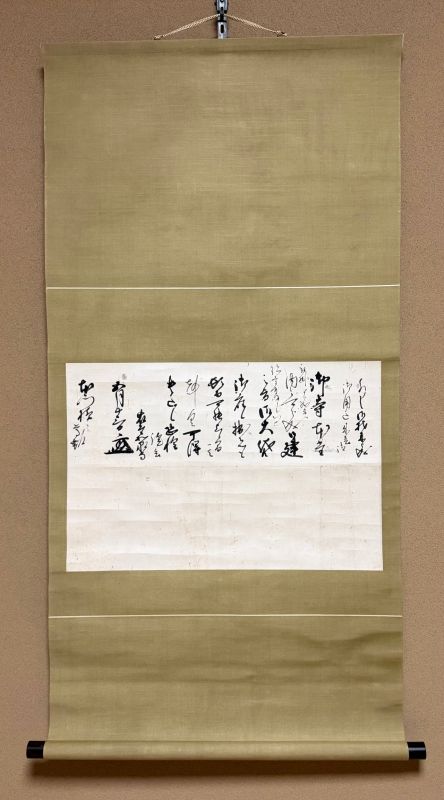
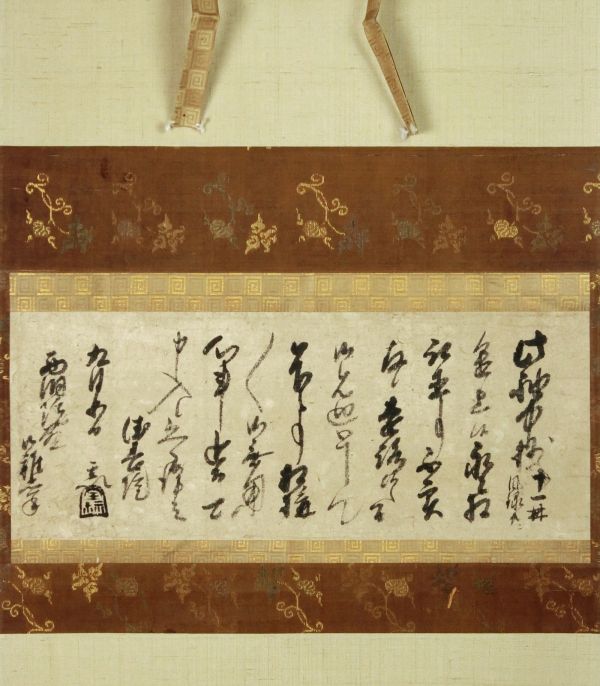
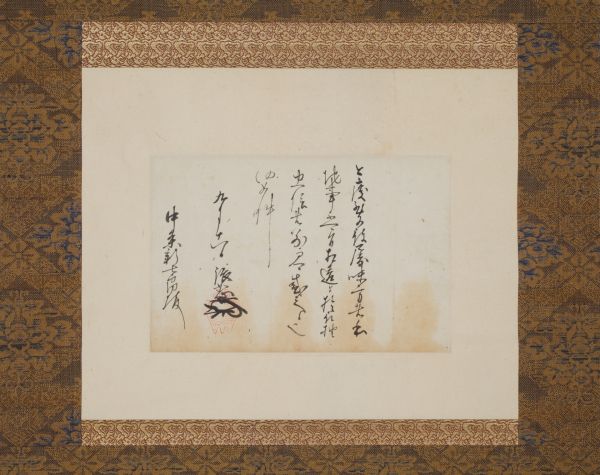
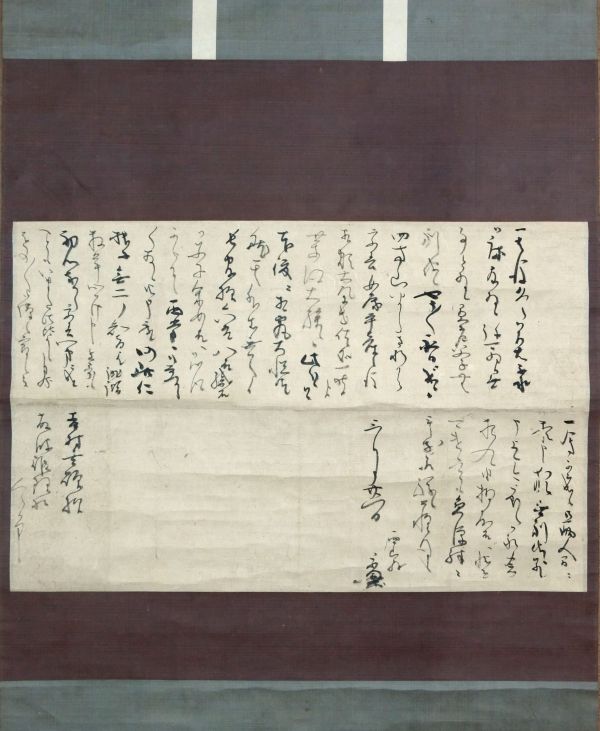
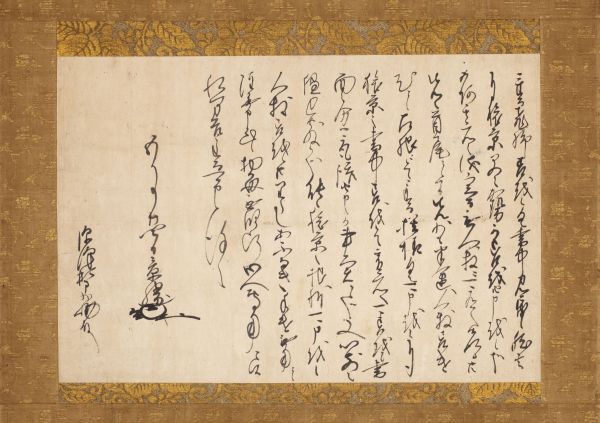
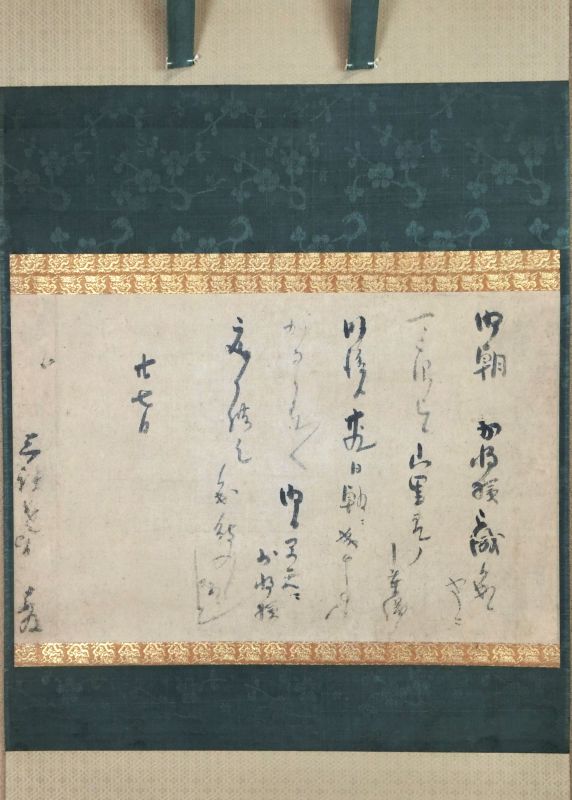
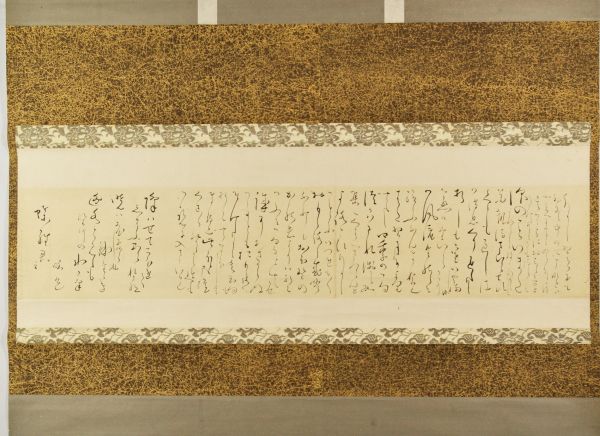
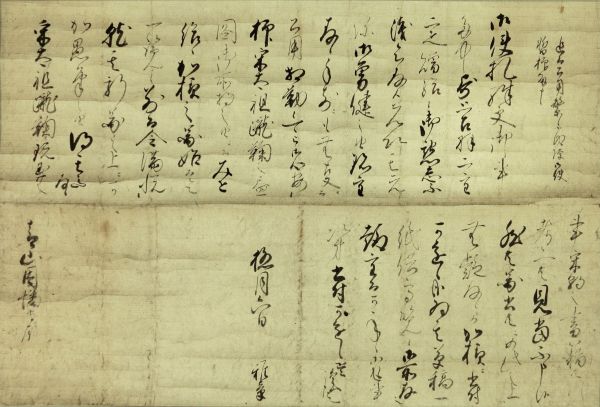
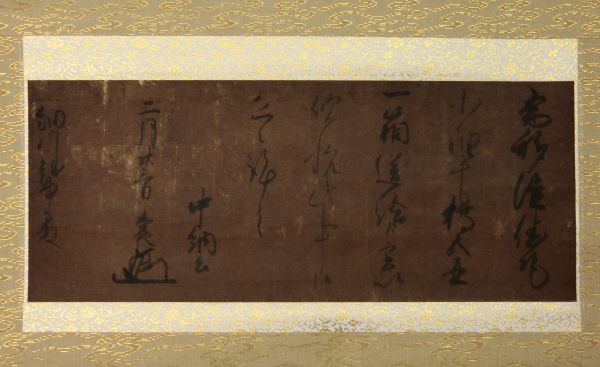
Tokugawa Iemochi (1846-1866 , 徳川家茂) Draft of the Written Acknowledgment of the Imperial Edict to Expel Foreigners
Dated December, Bunkyū 2 (1862)
Ink on paper Main 43,8×58 cm
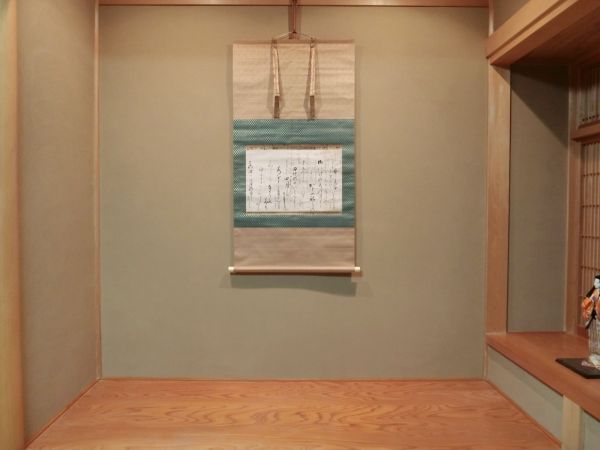
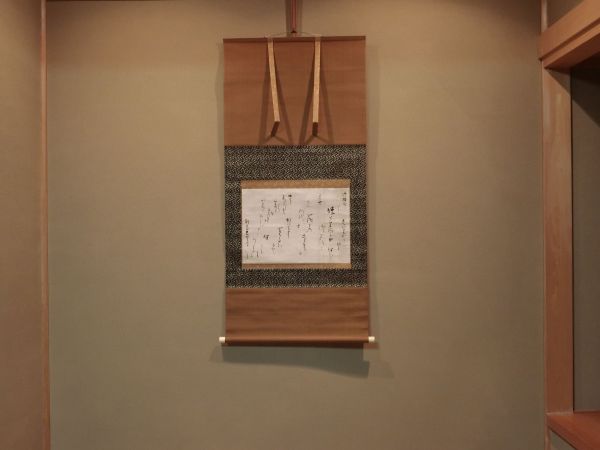
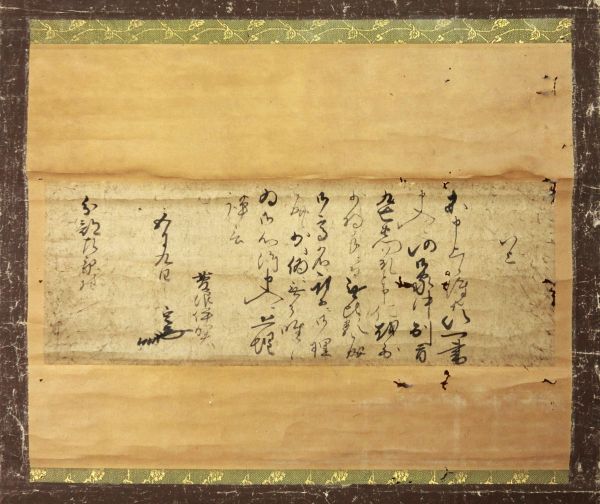
Hanging scroll / Kakejiku
Accessary:wood box
A draft of the written response (created in December of the same year) to the imperial decree to expel foreigners issued to the shogunate in 1862. The document is in the own hand of the seventeen-year-old Shogun, Tokugawa Iemochi (1846–1866), and it notes that Hiraoka Michihiro (a *wakadoshiyori*, or junior councilor; 1798–1878) was in attendance at the time.
Tokugawa Iemochi became shogun in 1858 (the fifth year of the Ansei era), with Tayasu Yoshiyori serving as his guardian. In the fifth month of 1862 (the second year of the Bunkyū era), Iemochi began to exercise direct personal rule. In the ninth month of that same year, the Imperial Court—responding to the agitation of the "expel the barbarians" (*jōi*) faction—decided to issue an imperial decree ordering the shogunate to carry out the expulsion of foreigners. In the tenth month, Sanjō Sanetomi and Anegakōji Kintomo were dispatched to Edo as imperial envoys. The decree called for confirmation that the expulsion would be implemented, stipulated that the "strategy" for doing so should be left to the "collective deliberation" (*shūgi*) of the warrior class, and commanded that a specific timeline for the expulsion be determined and reported back to the Court. In response, the shogunate's written acknowledgment (this document is a draft thereof) states that they gratefully accepted the contents of the imperial decree, and that the "strategy" for expelling foreigners has been entrusted to the shogunate, and that they will discuss it thoroughly and then go to Kyoto to explain the details. This effectively postponed the issue without clarifying the meaning of the expulsion of foreigners. Iemochi would travel to Kyoto in the third month of the following year.
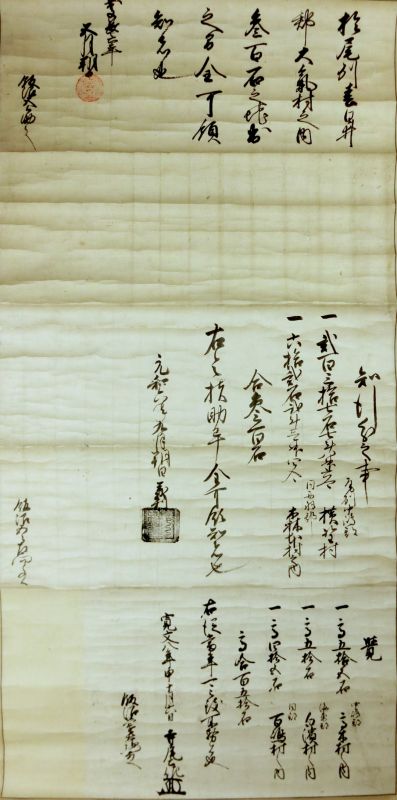
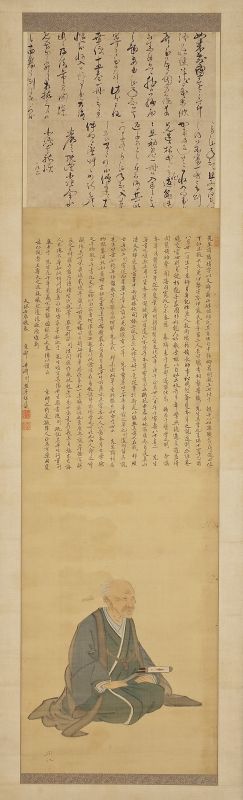
[Tokugawa Iemochi] The 14th shogun of the Edo shogunate (in office: December 1, 1858 – August 20, 1866). His father was Tokugawa Nariyuki, the lord of the Wakayama Domain, and his mother was a concubine named Jitsujō-in. His childhood name was Kikuchiyo, and his posthumous Buddhist name was Shōtoku-in. He was adopted by Tokugawa Narikatsu—who had inherited Nariyuki’s domain—and became the lord of the Wakayama Domain in 1849 (Kaei 2) at the age of four. Upon reaching adulthood, he took the name Yoshitomi. As the 13th shogun, Tokugawa Iesada, was in poor health and unlikely to produce an heir, a succession dispute arose. This led to an intense conflict between the "Nanki faction"—composed of hereditary *fudai* daimyo who supported Yoshitomi—and the "Hitotsubashi faction," which backed Hitotsubashi Yoshinobu. In April 1858 (Ansei 5), Ii Naosuke of the Nanki faction was appointed *tairō* (chief senior councilor), and in June, Yoshitomi was designated as the heir. Following the death of Iesada in July, he succeeded to the position of shogun at the end of that year. To promote the policy of *kōbu gattai* (the union of the imperial court and the shogunate), he married Princess Kazu (Kazunomiya), a half-sister of Emperor Kōmei. He traveled to Kyoto twice—in 1863 (Bunkyū 3) and 1864 (Genji 1)—striving to foster harmony between the imperial court and the shogunate. In 1866 (Keiō 2), during the Second Chōshū Expedition, he set out for the front and arrived at Osaka Castle, but he passed away due to illness amidst reports of the shogunate army's defeat.
Price: 3,850,000yen(tax included)
The title of the work will be
automaticaly entered inf the contact form.
About Purchasing
Please contact us by phone or by clicking the inquiry button on the product page and using the inquiry form.
For security reasons, we do not send automatic reply emails. We will contact you by phone or email within 1-2 business days. You can also visit us and see the actual art work. You can choose to pay by wire transfer or credit card payment. After confirming payment, we will ship the item.

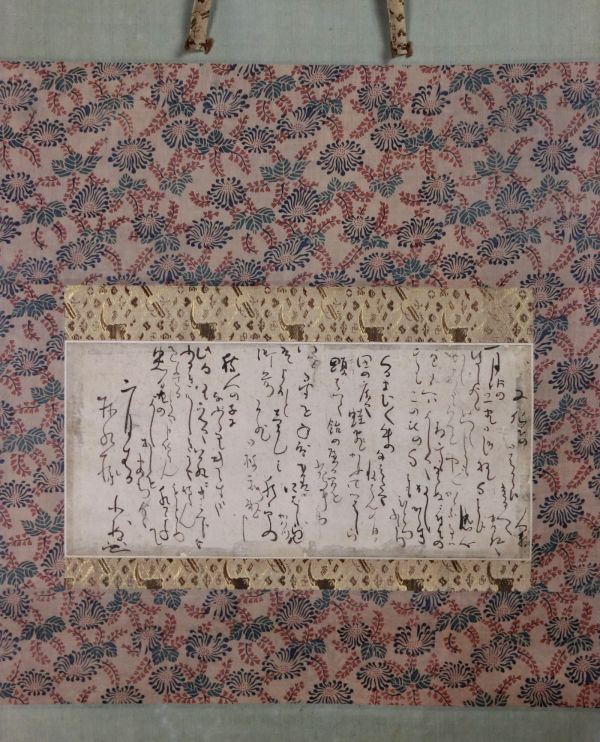
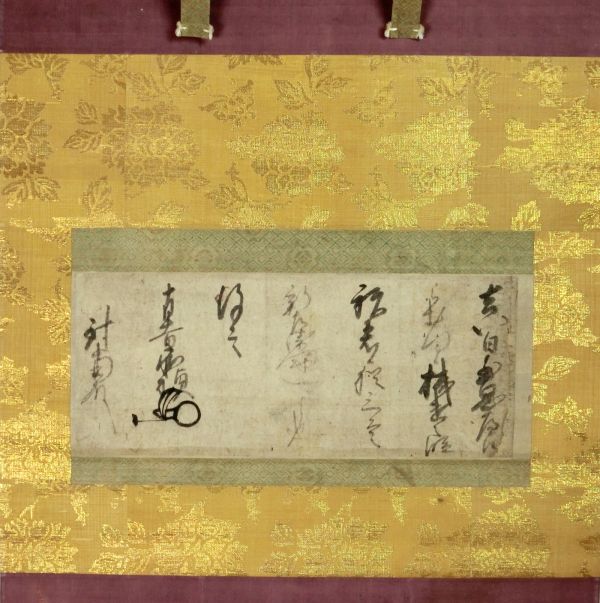
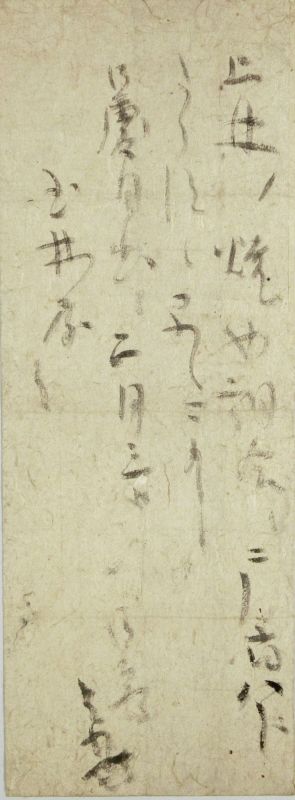





 ">