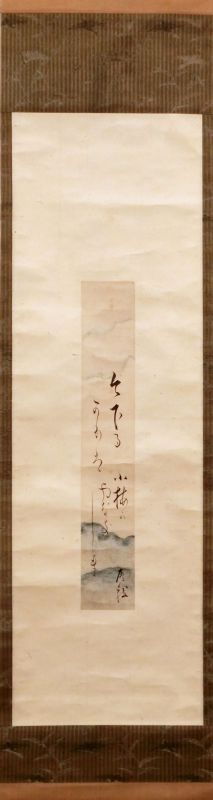
Click image to enlarge
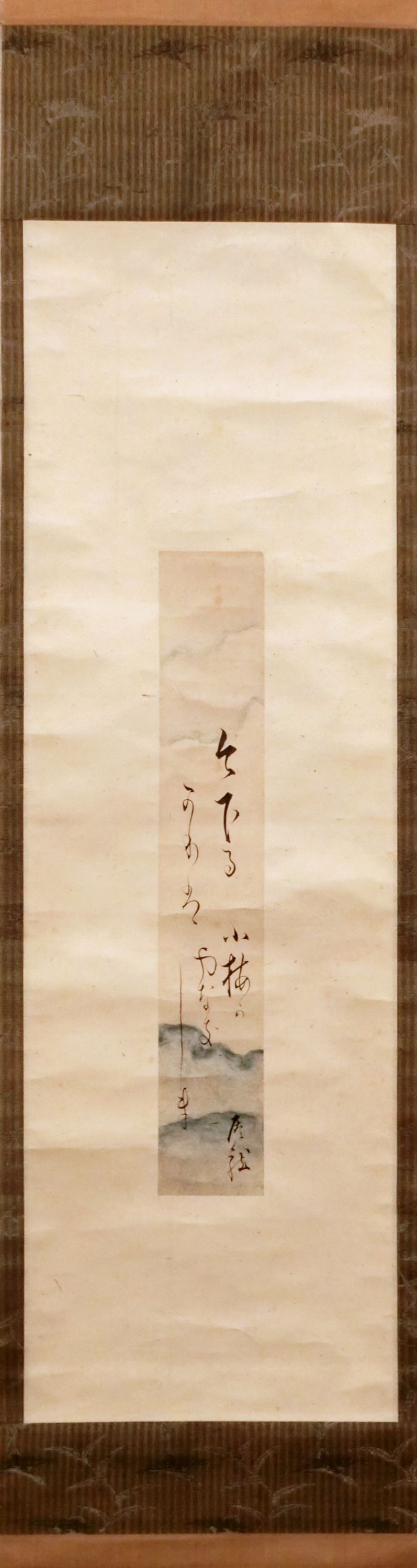
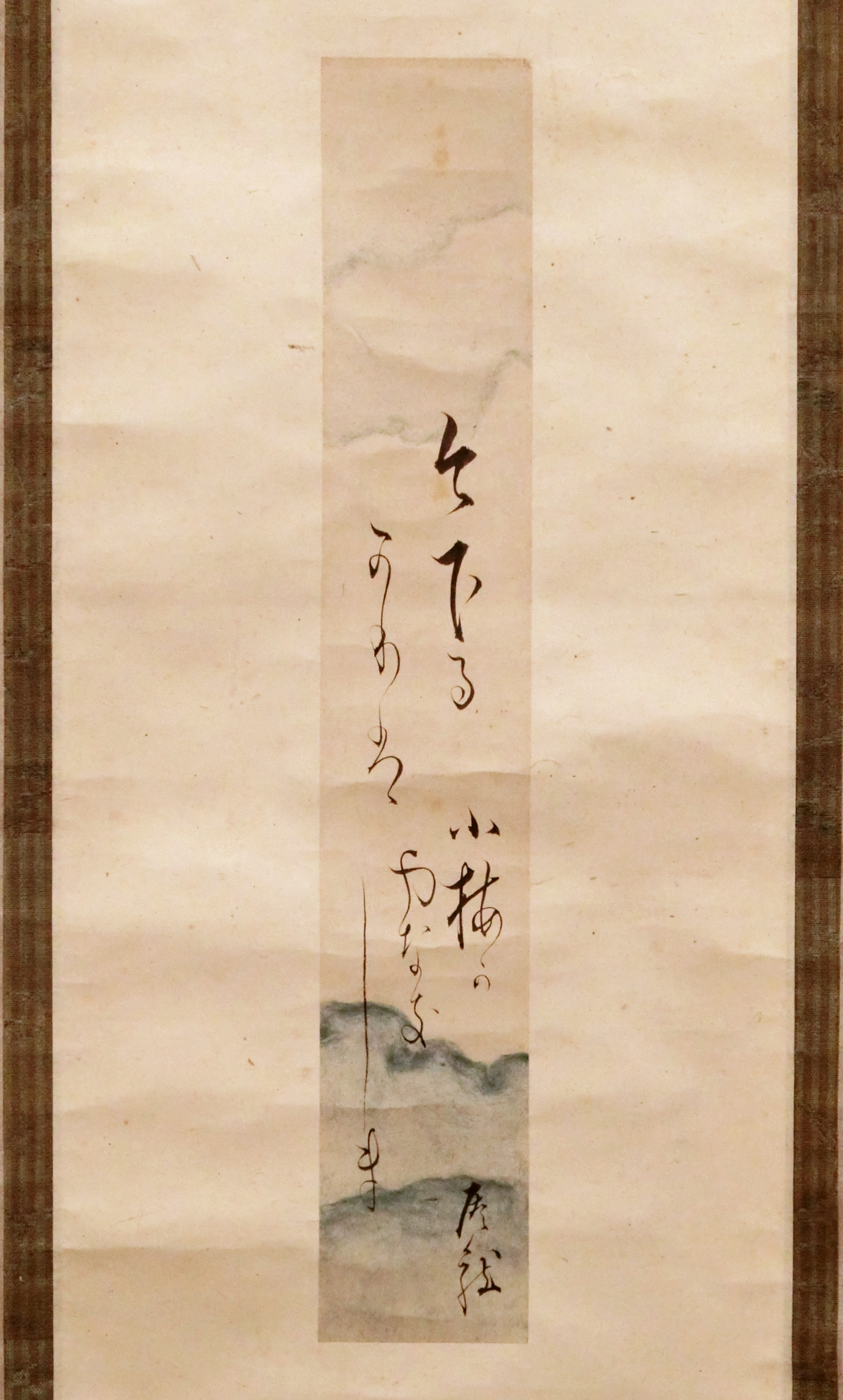
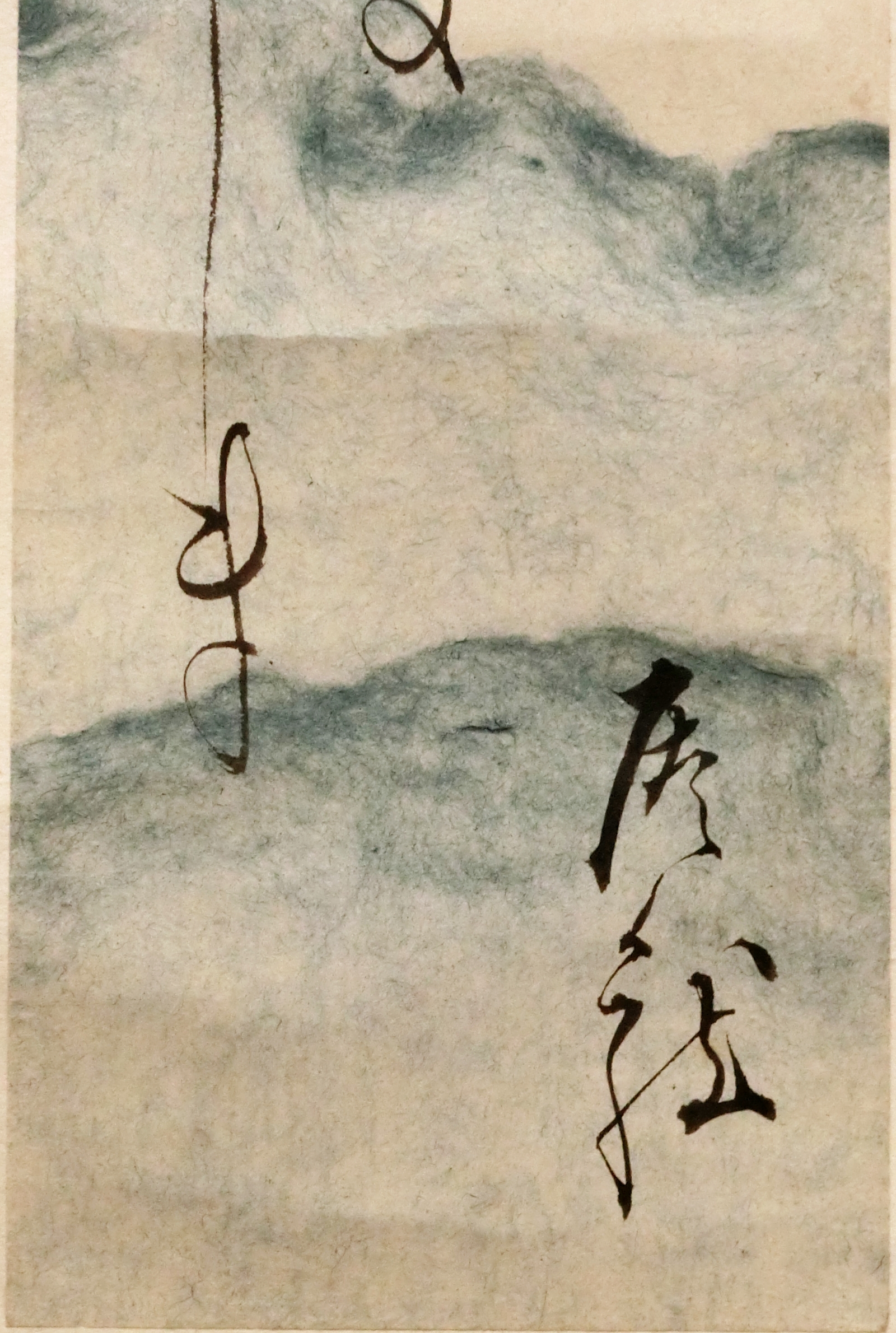
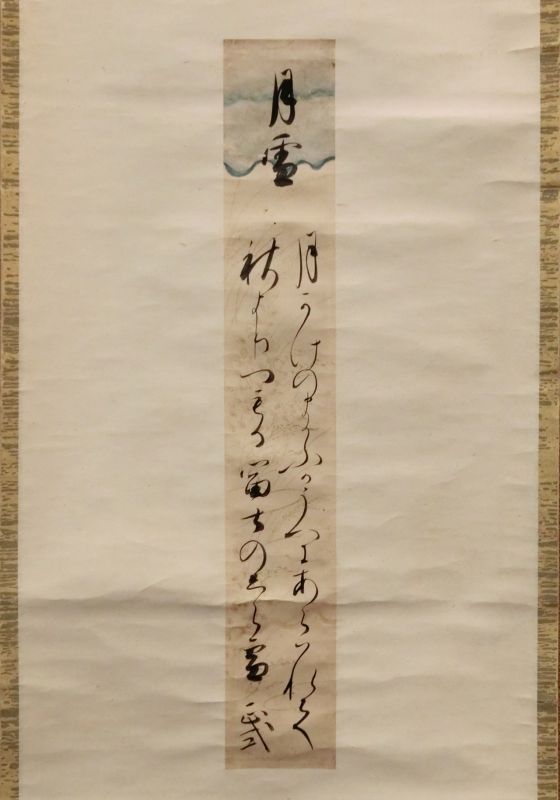
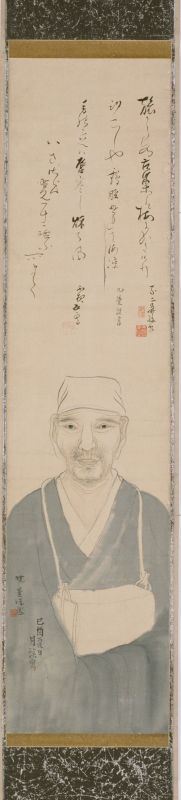
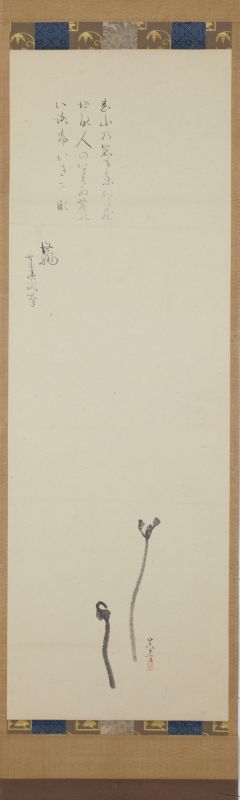
Sakai Hōitsu ( 1761-1829, 酒井抱一) Calligraphy (Tanzaku)
Ink on blue cloud paper
Total133,5×23,8cm Main36,5×5,8cm
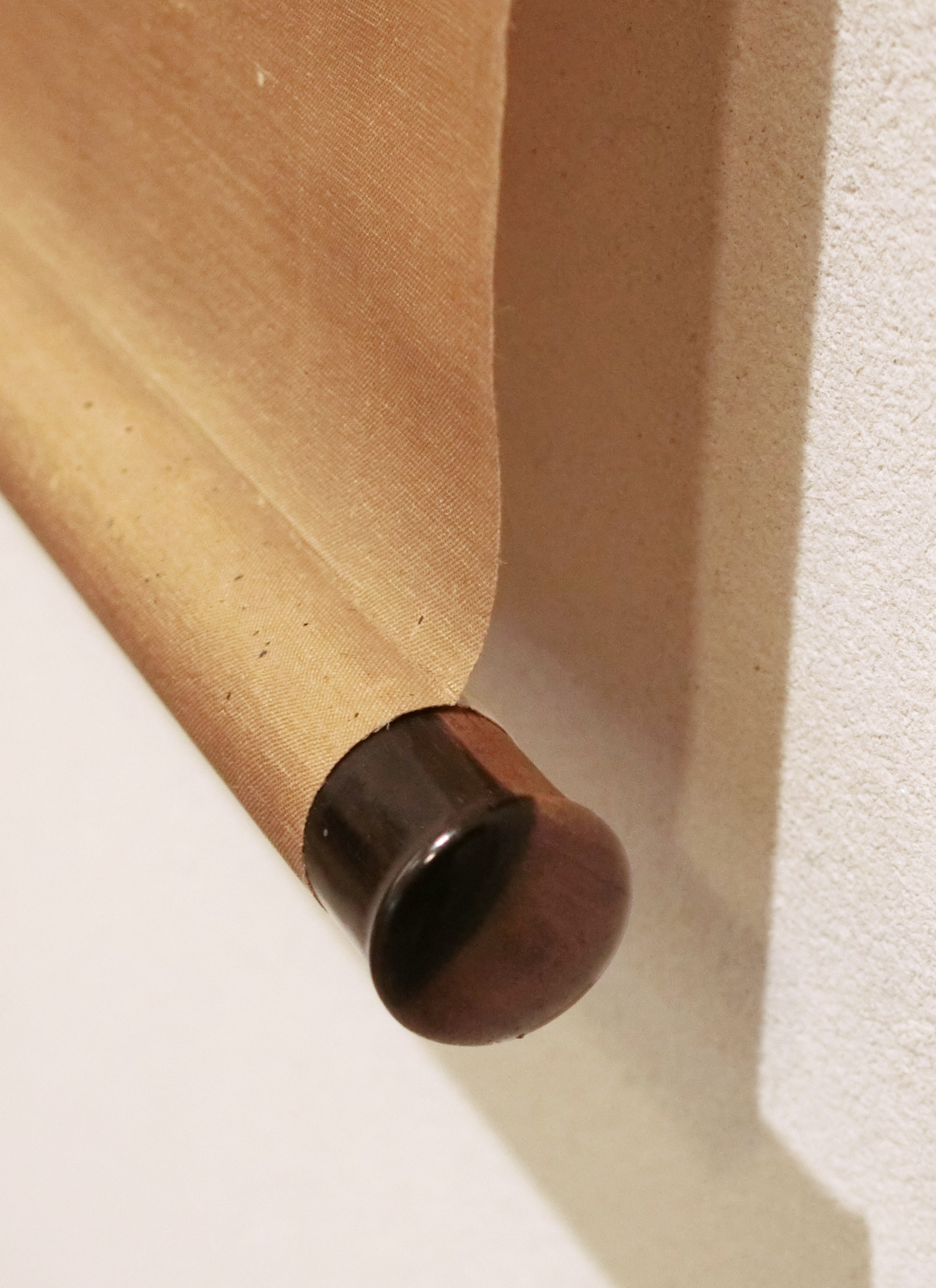
Hanging scroll / Kakemono
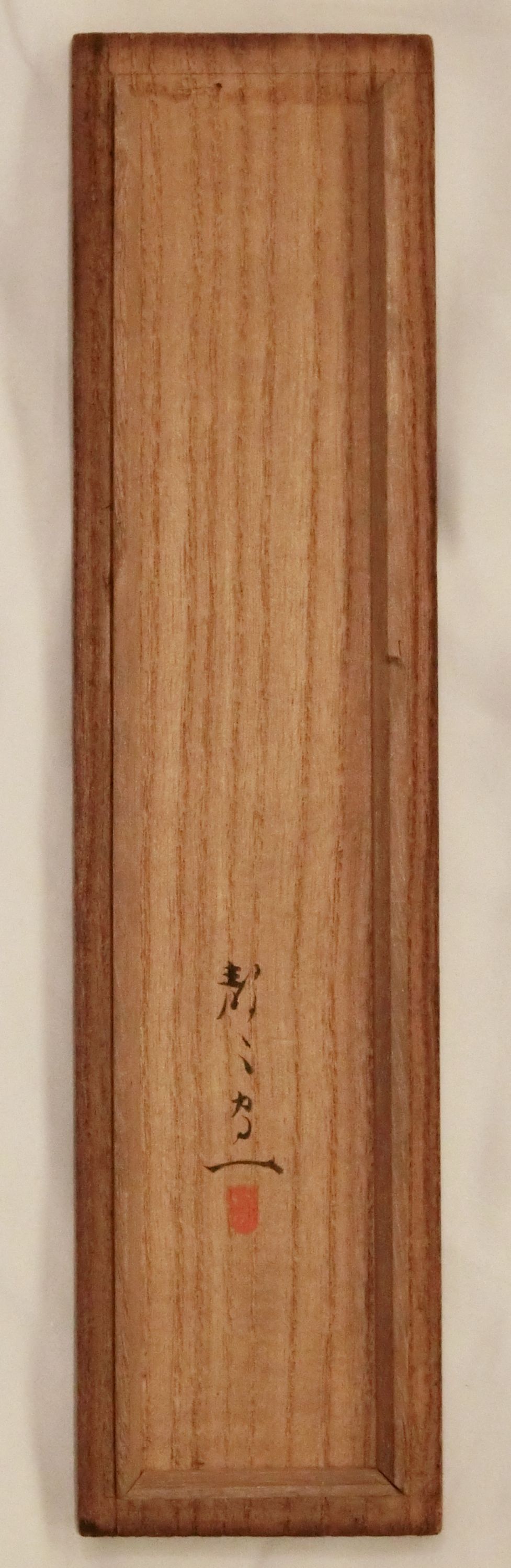
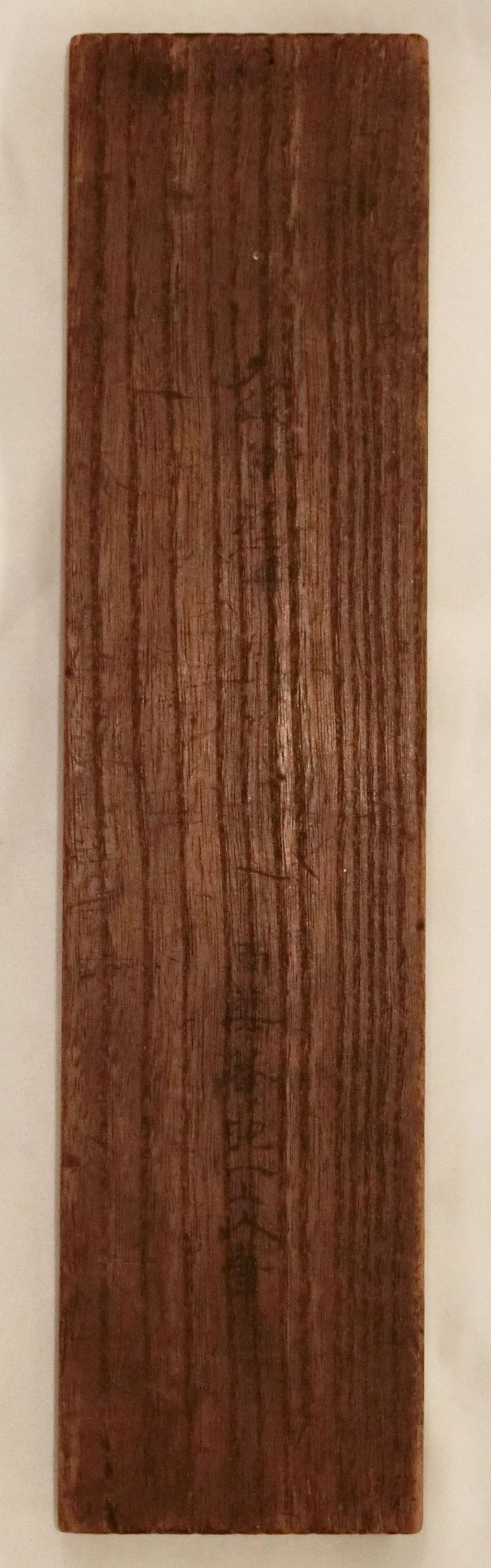
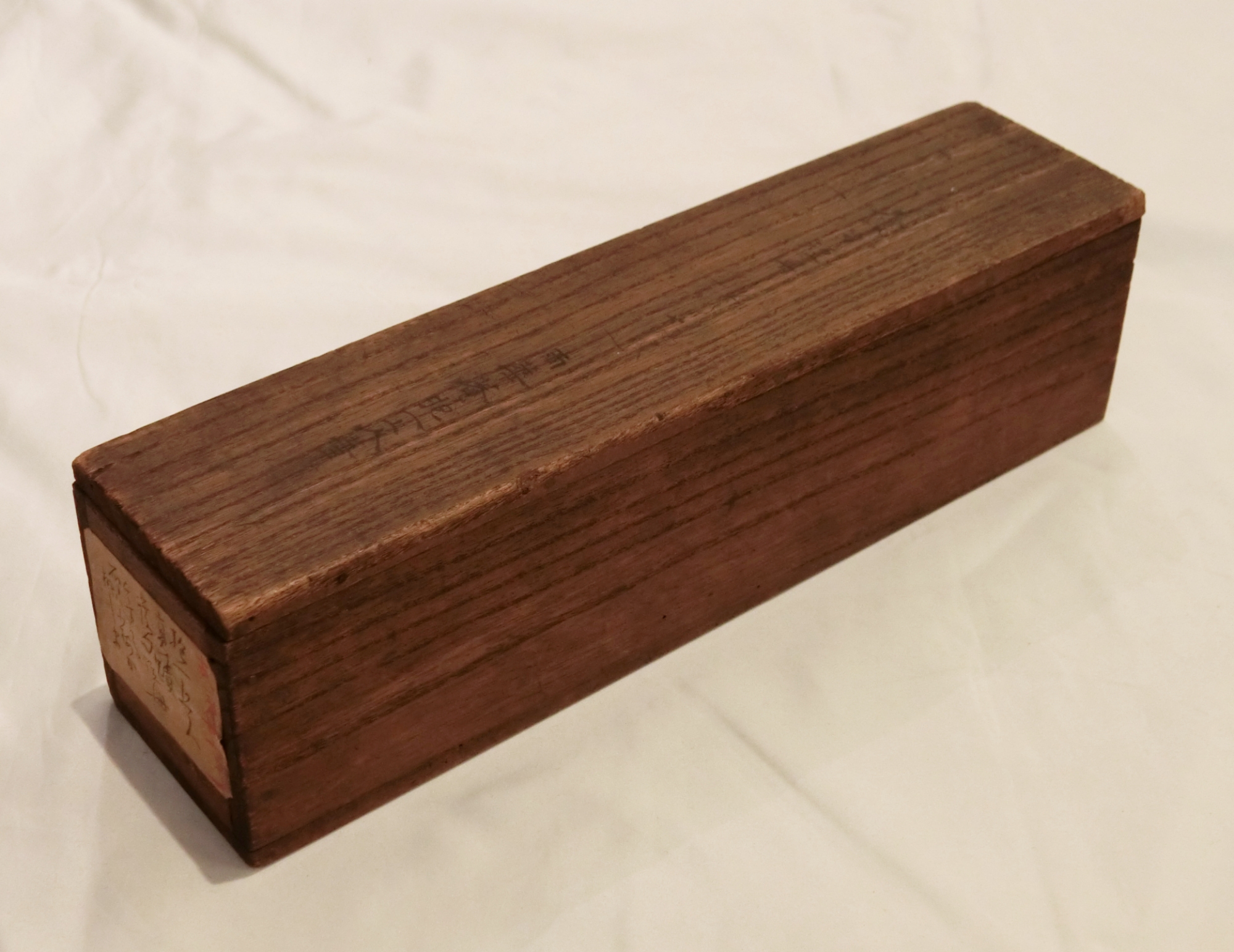
Accessary:wood box
Box inscription by Suzuki Kiitsu ( 1796-1858 , 鈴木其一)
[Sakai Hōitsu] A painter of the late Edo period. His given name was Tadayori. Born in Edo, he was the younger brother of Sakai Tadazane, the lord of the Himeji Domain. Although he entered the Buddhist priesthood, he soon retired from it; he established a residence called "Ukā-an" in the Negishi district of Edo, where he devoted himself to a refined life of calligraphy, painting, and *haikai* (haiku-style) poetry. In his painting, he initially studied the Kanō school, the style of Shen Nanpin, and *ukiyo-e*, but he later became deeply drawn to the work of Ogata Kōrin, eventually developing his own unique style based on Kōrin’s influence. His representative work is the folding screen *Summer and Autumn Grasses*. Lived 1761–1828 (from the 11th year of Hōreki to the 11th year of Bunsei).
[Suzuki Kiitsu].A Rinpa-school painter of the late Edo period. His given name was Motonaga, his courtesy name was Shien, and he was commonly known as Tamesaburō. He used various art names, including Teihakushi, Hitsuan, Kwaikai, Seisei, and Shukurin. He studied painting as a personal disciple of Sakai Hōitsu. He married the sister of Suzuki Reitan—a retainer of the Sakai clan who served as an attendant to Hōitsu—and subsequently succeeded to the Suzuki family line. Living directly across from Hōitsu’s residence, Ukahan, he occasionally produced works on his master’s behalf; however, following Hōitsu’s death, he established his own distinct artistic style and gained significant renown. While building upon the foundation of the Hōitsu style, he forged a new path characterized by a clear, decorative quality informed by the aesthetic sensibilities of the late Edo period. His notable works include *Folding Screens of Mountain Streams in Summer and Autumn* (Nezu Museum), *Folding Screens of White Camellias and Silver Grass* (Freer Gallery of Art), and *Folding Screens of Cranes*.
【読み】
今下るかりは小梅か柳しま
Imaoriru-Karihakoumeka-Yanagishima
I wonder if that flock of geese descending from the sky now is heading towards Koume Village, or perhaps towards Yanagishima.
Although born into a prestigious family—as the younger brother of the lord of the Himeji Domain—Sakai Hōitsu held a deep affection for the urban culture and refined aesthetics of Edo. He was a prominent figure in the worlds of painting (as the founder of the Edo Rinpa school) and *haikai* (haiku-style) poetry. This stylish verse lyrically captures the autumn sky, incorporating evocative place names from Edo (in the vicinity of present-day Sumida Ward, Tokyo).
While capturing the beauty of migratory birds in a real-world setting, the poem also references "Koume" and "Yanagishima"—elegant, well-known locations on the east bank of the Sumida River (in the Mukōjima area)—thereby reflecting the sophisticated sense of place and sensibility characteristic of a true *Edokko* (native of Edo). Possessing a distinct, painterly beauty, this verse is frequently inscribed as a *san* (accompanying poetic inscription) on Hōitsu’s own paintings, such as his *Rakugan-zu* (Painting of Descending Geese).
Price: 220,000yen(tax included)
The title of the work will be
automaticaly entered inf the contact form.
About Purchasing
Please contact us by phone or by clicking the inquiry button on the product page and using the inquiry form.
For security reasons, we do not send automatic reply emails. We will contact you by phone or email within 1-2 business days. You can also visit us and see the actual art work. You can choose to pay by wire transfer or credit card payment. After confirming payment, we will ship the item.
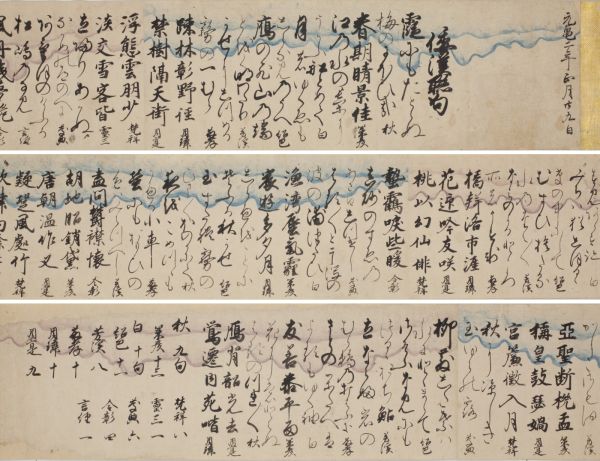
 論難同辨">
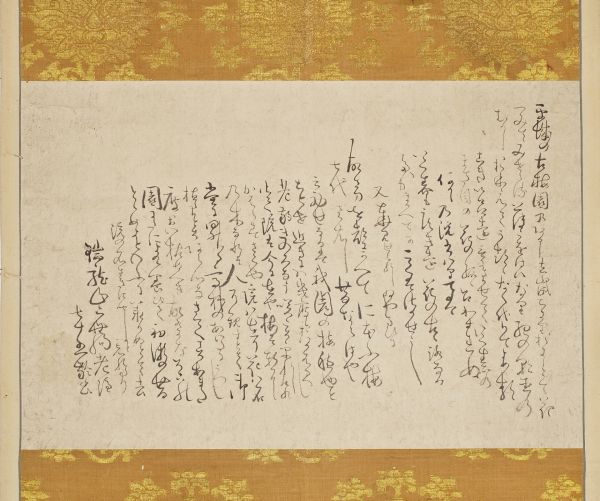
 一茶発句集">
 奥の細道菅菰抄">
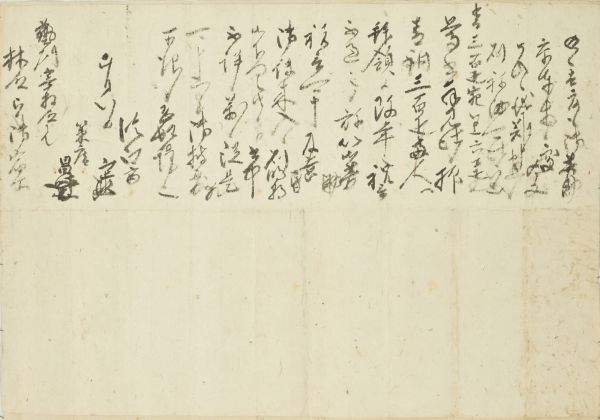









 paint by Kyōkadō Mgao(狂歌堂真顔)





 ">